Easy Tuna Salad Without Mayo (Fresh, Creamy & Healthy)
If you love tuna salad but do not love what mayonnaise does to it — the heaviness, the greasy film on your tongue, that flat taste after the second bite — this is the version I wish someone had handed me years ago. This easy tuna salad without mayo is bright, creamy, and genuinely satisfying, with real crunch, real lemon, and a dressing that coats every flake of tuna without weighing it down. It tastes like tuna salad should on a warm day: fresh, zippy, and clean, not like it has been sitting under a deli case light.
The secret is not a single strange substitute. It is a small, smart combination that works together. Tangy Greek yogurt gives you the body and creaminess you expect, a spoonful of good olive oil brings back the richness mayo usually provides, Dijon mustard adds depth and a gentle kick, and fresh lemon juice wakes everything up. Mash a small portion of the tuna a little finer than the rest, and that helps the dressing cling and feel even creamier. No single ingredient is pretending to be mayo. Together, they make something better for this job.
This recipe is for a lot of real-life situations. Maybe mayo is not your thing. Maybe you are out of it and the can of tuna is already open. Maybe you want a lighter lunch you can eat on a Tuesday and still feel good about at three in the afternoon, or a high-protein filling for sandwiches, wraps, and lettuce cups that will not turn soggy in the fridge. It comes together in about 15 minutes, uses pantry staples, and keeps well for meal prep. If you are building a rotation of simple, no-fuss lunches and dinners, this belongs right alongside other reader favorites like these ground beef recipes with few ingredients — proof that a short ingredient list can still give you a lot of variety through the week.
You do not need any cooking, just a can opener, a bowl, and a fork. But the details matter: how well you drain the tuna, how small you dice the celery, and how long you let it chill. Get those right and nobody will ask what is missing — they will just ask if there is more.
Why You’ll Love This Recipe
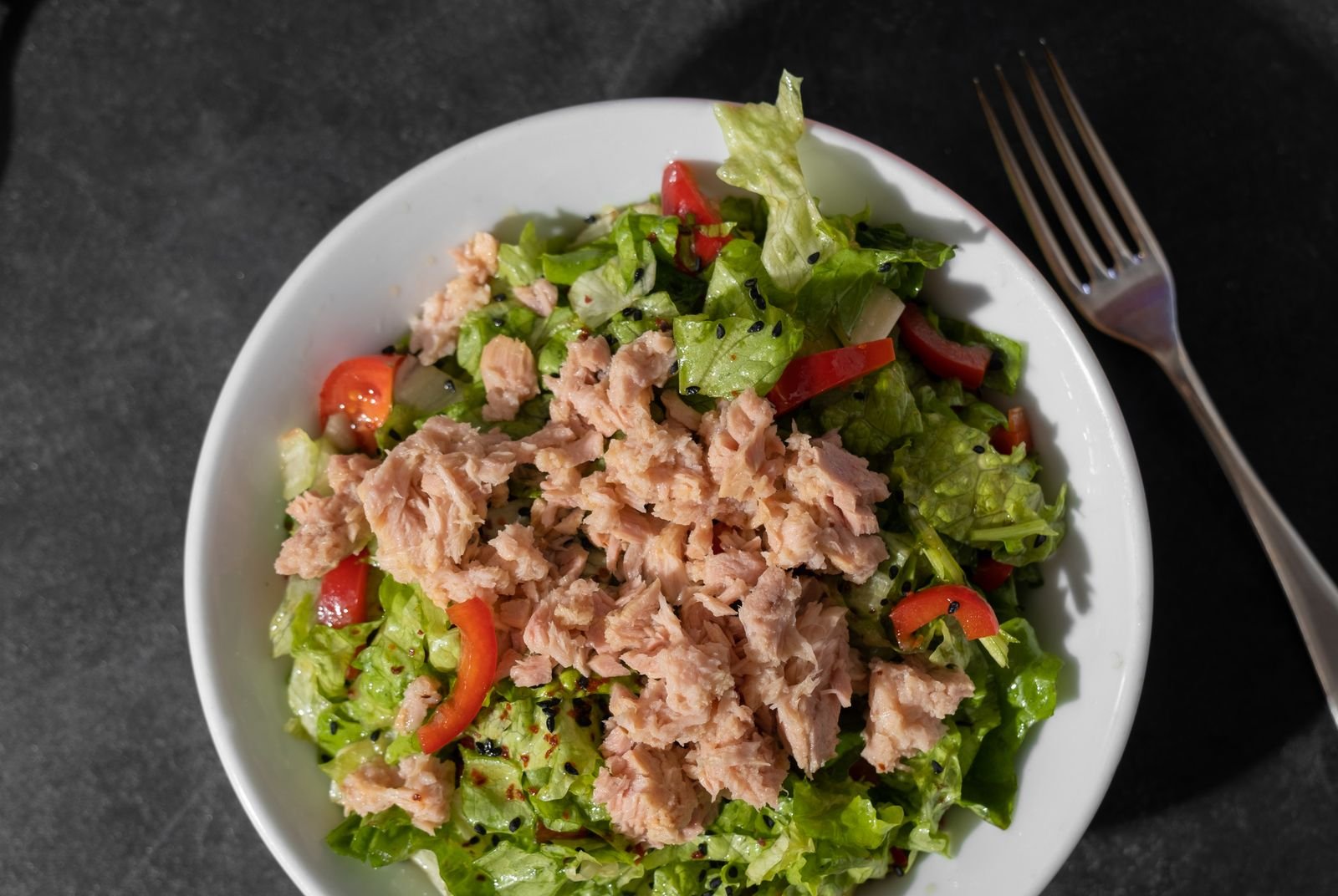
- Truly creamy, no mayo needed: Greek yogurt plus olive oil gives you that classic, spoonable texture without heaviness or a greasy aftertaste.
- Fresh flavor in every bite: Lemon, Dijon, red onion, and celery keep it lively and crisp, never bland or fishy.
- Ready in 15 minutes: No cooking, no stove. Drain, chop, stir, chill if you like, and eat.
- High in protein and lighter: All the satisfying protein of tuna with less fat and fewer calories than a traditional mayo-heavy version.
- Meal-prep friendly: It holds up for up to 3 days in the fridge and tastes even better after the flavors have an hour to mingle.
- Endlessly flexible: Serve it in a sandwich, scoop it onto greens, stuff it into avocado halves, or eat it straight with crackers.
How This Tuna Salad Stays Creamy Without Mayo
It helps to understand what mayo actually does in a classic tuna salad, because once you know that, replacing it stops feeling like guesswork. Mayo does three things: it adds moisture, it adds fat, and it binds the flakes and chopped vegetables together. If you swap it for lemon juice alone, you get wet but watery tuna. If you swap it for something thick but dry, you get a pasty mix. You need to cover all three jobs.
Greek yogurt covers moisture and binding beautifully. It is thick, tangy, and protein-rich, and it clings to tuna the way mayo does. What it lacks on its own is fat, which is why yogurt-only salads can taste lean and chalky. That is where one tablespoon of olive oil changes everything: it rounds out the mouthfeel and carries the lemon and herbs. Dijon adds emulsifying power and savory depth, lemon provides the acid that keeps canned tuna from tasting dull, and breaking about a quarter of the tuna into very small bits creates more surface for the dressing to coat, so the salad reads as creamy all the way through. If you cannot do dairy, the avocado and hummus variations later use the same logic.
Ingredients
This makes about 2 1/2 cups, enough for 4 generous sandwiches or 4 lunch-sized servings. It doubles easily for a crowd or for Sunday meal prep.
- 2 cans (5 ounces / 142 g each) tuna in water, well drained: Albacore gives firm, meaty flakes and mild flavor; chunk light is softer, more savory, and more affordable. If using tuna in olive oil, drain well and reduce the added oil to 2 teaspoons.
- 1/3 cup (80 g) plain Greek yogurt, 2% or whole milk preferred: Your creamy base. 2% or whole tastes rounder than nonfat, though nonfat works with the full tablespoon of oil and a pinch more salt. Plain only.
- 1 tablespoon extra-virgin olive oil: Adds richness. Use an oil you like, since it is not cooked.
- 1 tablespoon fresh lemon juice, plus 1/2 teaspoon zest if you like: Fresh makes a real difference; bottled tastes flatter. Zest is optional but lovely.
- 1 teaspoon Dijon mustard: Smooth Dijon blends best. Yellow mustard works but tastes sharper.
- 2 stalks celery, finely diced (about 1/2 cup / 65 g): Non-negotiable for crunch. Dice small, about 1/4 inch, for crunch in every bite without watery chunks.
- 1/4 cup (40 g) finely diced red onion: Gives color and mild bite. Soak in cold water 5 minutes for a gentler flavor. Shallot or 2 green onions also work.
- 2 tablespoons finely chopped fresh parsley: Or swap in 1 tablespoon fresh dill.
- 1 tablespoon chopped dill pickles or capers (optional but recommended): Briny pops that mimic a good deli salad. Choose one, not both.
- 1/2 teaspoon fine sea salt, plus more to taste: Tuna varies in saltiness, so taste and adjust.
- 1/4 teaspoon freshly ground black pepper: Plus an optional pinch of garlic powder (about 1/8 teaspoon).
- Pinch of paprika or a few dashes of hot sauce (optional): For color, warmth, or a gentle kick.
Equipment
- Can opener
- Fine-mesh strainer or colander for draining the tuna
- Medium mixing bowl
- Fork for flaking, plus a spoon or flexible spatula for folding
- Chef’s knife and cutting board
- Measuring cups and spoons
- Citrus juicer or reamer (optional)
- Airtight container for leftovers
Step-by-Step Instructions
Total time: About 15 minutes, plus an optional 30 minutes of chilling. Yield: About 2 1/2 cups, 4 servings.
- Drain the tuna really well. Tip the tuna into a fine-mesh strainer over the sink. Press gently with a spoon to squeeze out as much liquid as you can without pulverizing the fish. Let it sit for 2 to 3 minutes while you prep the vegetables. You want it damp, not dripping — this step is the difference between creamy and soupy.
- Prep the crunchy vegetables. Dice the celery finely, about 1/4-inch pieces, and the red onion a touch smaller. Chop the parsley and pickles, if using. Small, even pieces mean every forkful has a little of everything and the salad spreads neatly on bread. If raw onion is too strong, soak it in cold water while you work, then drain and pat dry.
- Mix the no-mayo dressing first. Whisk the Greek yogurt, olive oil, lemon juice, zest if using, Dijon, salt, pepper, and garlic powder if using, until smooth and glossy. It should fall off the spoon in a slow ribbon. Mixing the dressing alone distributes the salt and acid evenly, so you will not need to stir aggressively later and break up the tuna.
- Add the tuna and flake it gently. Tip the tuna into the dressing and break it into bite-size flakes with a fork. Mash roughly a quarter of it a bit finer against the side of the bowl — those smaller bits blend with the dressing and coat the larger flakes, making everything taste creamier. Stir just until coated; you should still see distinct flakes, not a paste.
- Fold in the vegetables and herbs. Add the celery, onion, parsley, and pickles or capers. Fold with a spatula, lifting from the bottom, until evenly mixed. The texture should be moist and scoopable, holding its shape on a spoon without liquid pooling. If it looks dry, add yogurt one tablespoon at a time.
- Taste and adjust. Taste a full bite, ideally on a cracker or lettuce leaf. Need brightness? Add lemon 1/2 teaspoon at a time. More depth? A pinch more salt usually does it. Want heat? Add hot sauce now. Flavors mellow as it chills, so season a touch bolder if serving later.
- Chill, if you have time. Cover and refrigerate for at least 30 minutes. Chilling softens the onion slightly, lets the herbs perfume the dressing, and sets the salad into a deli-style scoop. It is also good eaten right away — the chilled version is just a small step better.
- Serve. Give it one gentle stir, check seasoning, and spoon onto toasted bread with lettuce and tomato, into a wrap with shredded carrots, over greens with cucumber and tomatoes, or into lettuce cups or avocado halves. A sprinkle of paprika or extra parsley makes it look as fresh as it tastes.
Pro Tips for the Best Tuna Salad Without Mayo
- Drain, drain, drain. Excess can liquid is the enemy. If using a pouch, squeeze it well first.
- Dice small and even. Big celery chunks dominate and make sandwiches fall apart.
- Use 2% or whole-milk yogurt. A little fat makes the dressing taste rounded instead of tangy-thin.
- Add acid in stages. Start with the tablespoon of lemon, then adjust after chilling.
- Salt after you mix. Tuna, pickles, and capers bring salt, so taste before finishing.
- Keep some texture. Overmixing makes a pâté-like spread; visible flakes are what you want.
- Serve it cold. Do not leave it out more than 2 hours, or 1 hour over 90°F (32°C).
Common Mistakes to Avoid
The first mistake is swapping mayo for yogurt and stopping there. Yogurt alone can taste thin and tart, which is why some people conclude tuna salad without mayo is not as good. The olive oil and Dijon are what make the swap complete.
The second is underseasoning. Mayo is salted and fatty, so it seasons as it coats. This lighter dressing needs deliberate salt, pepper, and lemon. Taste twice: when mixed, and after chilling.
Third, watch the onion, which grows stronger as it sits. Making this a day ahead? Use a little less, or swap in green onion tops. Finally, do not freeze a finished batch — vegetables go limp and dressing separates.
Substitutions That Actually Work
- No Greek yogurt? Use regular yogurt strained 20 minutes to thicken, or skyr. For dairy-free, see the hummus and avocado variations.
- Sour cream swap: Half yogurt and half light sour cream gives a richer deli flavor while still skipping mayo.
- Mustard options: Whole-grain mustard adds texture; a pinch of curry powder in place of Dijon changes the direction deliciously.
- Herb swaps: Dill, chives, cilantro, or basil work. Use tender herbs only — dried taste dusty in a cold salad.
- Vegetable swaps: Bell pepper, shredded carrot, seeded cucumber patted dry, or corn can replace part of the celery. Keep total crunchy vegetables around 3/4 cup.
- Add protein and fiber: Fold in a chopped hard-boiled egg, or 1/2 cup lightly mashed white beans or chickpeas.
Variations to Try Next Time
Mediterranean Tuna Salad
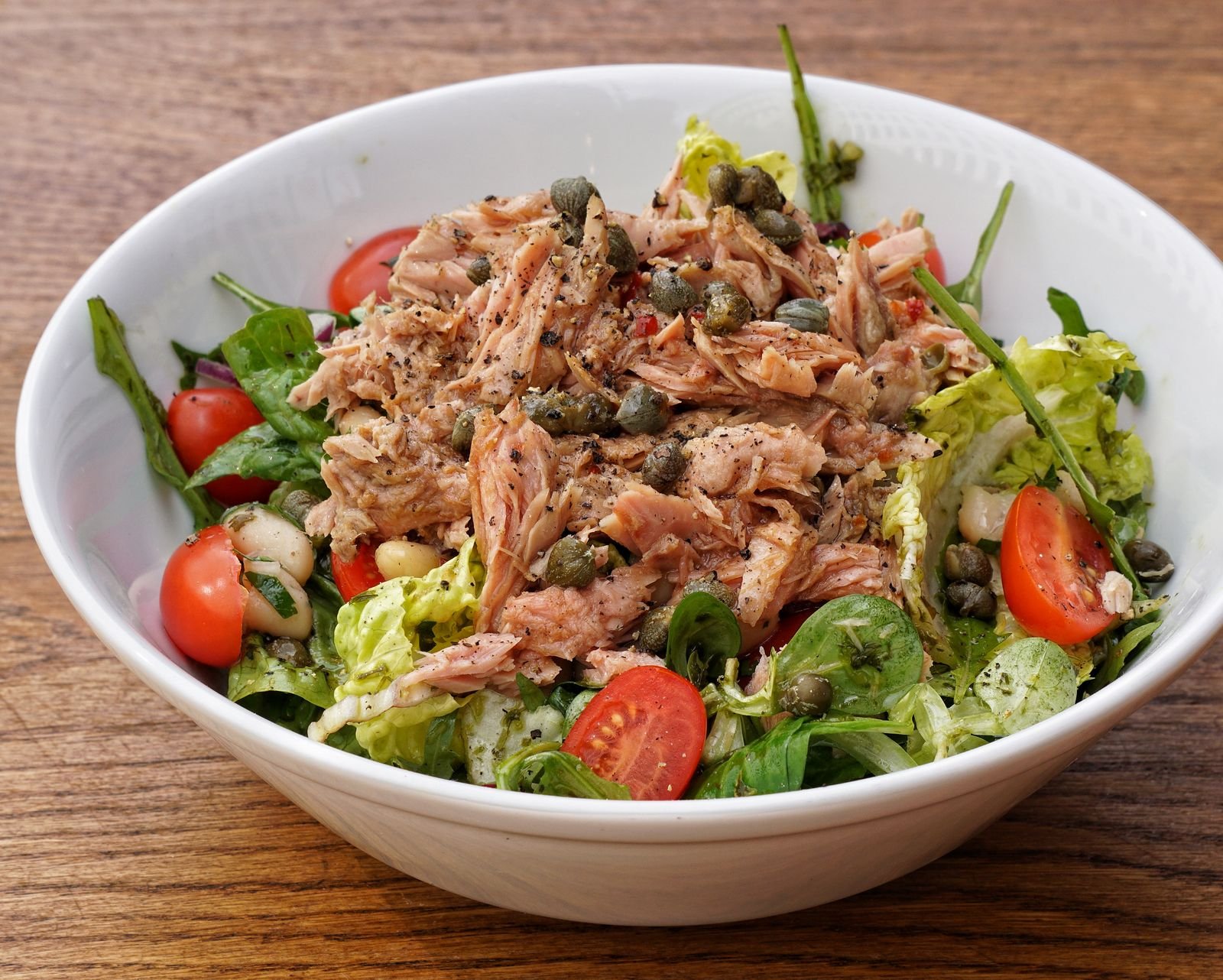
Swap the pickles for capers, use dill for half the parsley, and fold in 1/4 cup diced cherry tomatoes (added just before serving), chopped Kalamata olives, and crumbled feta. Serve over greens with cucumber and a lemon wedge.
Avocado Tuna Salad (Dairy-Free)
Replace the yogurt with one ripe avocado, mashed with the lemon juice first to keep it green, plus the olive oil. Avocado gives fat and body in one ingredient. Eat this version the same day — it browns and softens faster than yogurt.
Hummus Tuna Salad (Dairy-Free)
Swap the yogurt for 1/3 cup plain hummus and keep the oil and lemon. Hummus brings body, a little garlic, and a subtle nutty flavor. This version is sturdy, travels well, and pairs well with whole-grain crackers and cucumber.
Spicy Tuna Salad
Stir in 1 to 2 teaspoons sriracha, a finely diced jalapeño with seeds removed, and a pinch of smoked paprika. Swap parsley for cilantro. Serve in lettuce cups or over rice.
Apple and Walnut Tuna Salad
Fold in 1/3 cup finely diced crisp apple and 2 tablespoons chopped toasted walnuts. A tiny drizzle of honey, about 1/2 teaspoon, balances the lemon. Serve on whole-grain bread or over baby spinach.
Curried Tuna Salad
Whisk 1 teaspoon mild curry powder and 1/4 teaspoon turmeric into the dressing, swap pickles for 2 tablespoons golden raisins, and use cilantro and green onion. Warm-spiced without being hot, and excellent in a wrap.
What to Serve With Tuna Salad
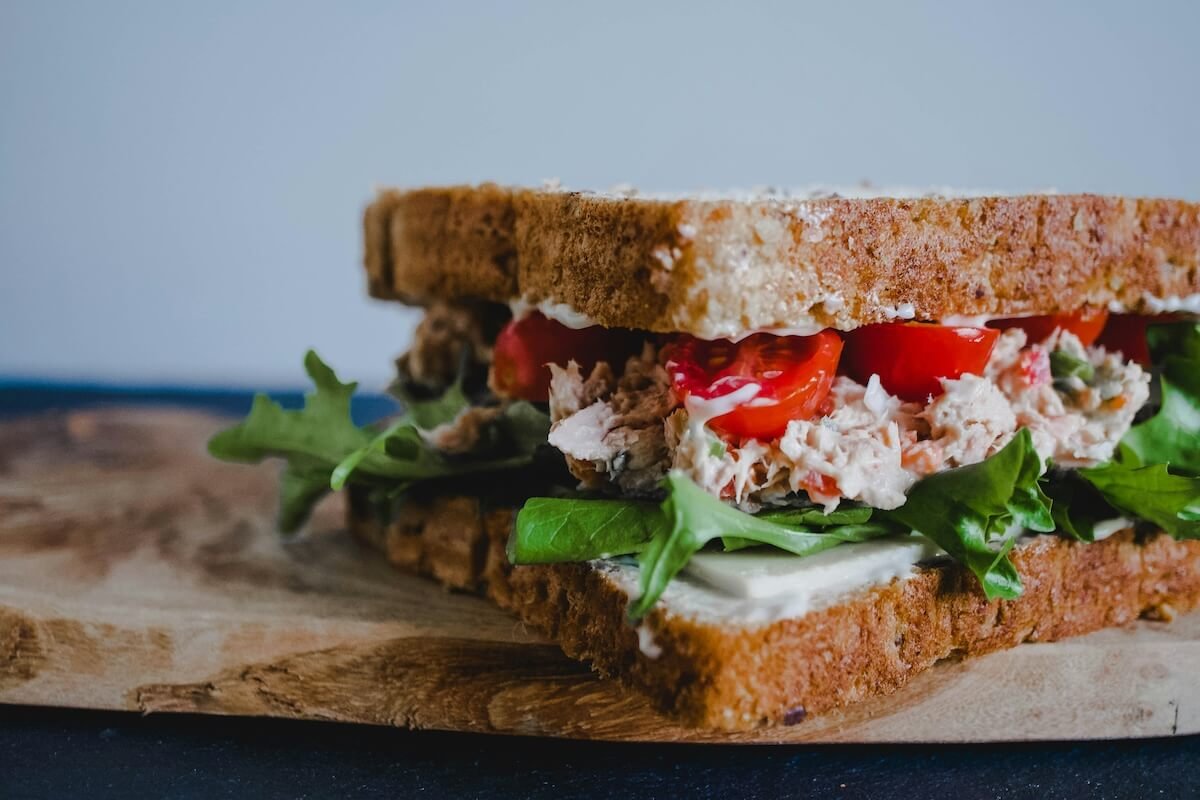
The classic move is a sandwich. Pile it onto toasted sourdough, whole-grain bread, or a soft roll with crisp lettuce and a thick slice of tomato. For a tuna melt, add sharp cheddar and broil the open-faced sandwich for 2 to 3 minutes until the cheese bubbles — keep the salad a little thicker so it does not run under the heat.
For lighter plates, serve scoops over a big green salad with romaine or butter lettuce, cucumber, cherry tomatoes, and croutons. Lettuce cups, crackers, pita chips, and raw vegetables are great for scooping, and stuffed into a hollowed tomato or avocado half, it looks like you tried harder than you did.
It also works as part of a bigger easy-meal plan. On nights when lunch was light and you want something warm and hands-off for the family, a dish like this easy ground beef and rice skillet covers dinner in one pan while this tuna salad covers tomorrow’s lunchboxes — that pairing is how busy weeks actually get fed. On the side, simple things shine: tomato soup, kettle chips, pickle spears, fresh fruit, or a quick cucumber salad. For picnics, pack the salad chilled on ice and keep bread and lettuce separate.
Storage, Make-Ahead, and Freezing
Refrigerator: Store in an airtight container for up to 3 days. Stir gently before serving; if it has loosened up, stir in a spoonful of fresh yogurt and a squeeze of lemon. For sandwiches that will sit a few hours, place a lettuce leaf between bread and salad on both sides as a moisture barrier.
Make-ahead tips: Mix the dressing and chop the vegetables a day ahead and store separately, then drain the tuna and combine everything the morning you serve it for the freshest crunch. If you mix the full salad ahead, hold back a little parsley to sprinkle on fresh.
Freezing: I do not recommend freezing the finished salad. Yogurt separates when thawed, celery and onion go limp, and the tuna texture suffers. This recipe is fast enough that fresh is always better.
Food safety: Keep refrigerated at 40°F (4°C) or below, use clean utensils, and discard any salad that has sat out for more than 2 hours.
Nutrition Information
The figures below are rough home-kitchen estimates for one serving (one quarter of the recipe, about 2/3 cup of salad, filling only, without bread), calculated from standard ingredient values for tuna in water, 2% Greek yogurt, and olive oil. They are estimates only and will vary with the brand of tuna, the fat level of your yogurt, and any variations you choose. They are not medical or dietary advice.
- Calories: Approximately 165 kcal
- Protein: Approximately 24 g
- Total fat: Approximately 6 g (saturated fat about 1.5 g)
- Carbohydrates: Approximately 3 g
- Fiber: Approximately 1 g
- Sugar: Approximately 2 g (naturally occurring, from yogurt and vegetables)
- Sodium: Approximately 420 mg (varies widely by tuna brand)
- Cholesterol: Approximately 40 mg
Compared with a mayo-based version, this typically saves fat and calories while adding protein from the yogurt. Watching sodium? Choose low-sodium tuna and rinse capers or pickles.
Frequently Asked Questions
What can I use instead of mayo in tuna salad?
Greek yogurt is the most reliable everyday substitute because it is thick, tangy, and high in protein, especially paired with a little olive oil for richness and Dijon for depth. Mashed avocado and plain hummus are excellent dairy-free options that follow the same idea: something creamy, a little fat, and enough acid and salt to season the tuna properly.
Does tuna salad without mayo taste different?
Yes, in a good way. It tastes brighter, fresher, and more like tuna, lemon, and herbs, without the heavy, coating feeling mayo leaves behind. The texture is still creamy and scoopable, but lighter. Most people who try this version for health reasons end up preferring the flavor on its own merits.
How do I keep tuna salad from getting watery?
Drain the tuna thoroughly and press out the can liquid, dice vegetables small, and pat watery additions like soaked onion or cucumber dry before adding them. Mix the dressing first so it starts thick, refrigerate in an airtight container, and stir gently before serving. If liquid pools after a day, a spoonful of fresh yogurt absorbs it nicely.
Can I use regular yogurt instead of Greek yogurt?
You can, but regular yogurt is much thinner and will make a looser salad. Strain it through a coffee filter, paper towel-lined sieve, or cheesecloth for 20 to 30 minutes to remove whey, or reduce the amount to 1/4 cup and expect a softer texture. Skyr is a great one-to-one alternative that needs no straining.
How long does tuna salad without mayo last in the fridge?
Stored in an airtight container at 40°F (4°C) or below, it keeps well for up to 3 days. The flavor is often best on days one and two, while the celery is still crisp. After 3 days, discard leftovers rather than pushing it, especially if the salad has been served from at a gathering.
Can I make this tuna salad dairy-free?
Absolutely. Use the avocado variation — one ripe avocado mashed with the lemon juice in place of the yogurt — or the hummus variation with 1/3 cup of plain hummus. Both keep the olive oil, mustard, lemon, and seasonings. Eat the avocado version the same day for the best color and texture.
Is canned tuna healthy, and how often can I eat it?
Canned tuna is a lean, affordable source of protein and provides omega-3 fats, vitamin D, and selenium. Because tuna contains some mercury, general guidance for adults is to enjoy light tuna a few times a week and albacore, which is higher in mercury, about once a week. If you are pregnant or cooking for young children, check current official guidance for specific limits.
Why does my tuna salad taste bland?
It almost always needs one of three things: salt, acid, or something briny. Add a pinch of salt and taste again, then a squeeze of lemon, then consider pickles or capers if you skipped them. Also check your tuna — a well-drained, good-quality can makes a bigger difference than any seasoning trick.
Can I use tuna in oil instead of tuna in water?
Yes. Drain it very well, reduce the olive oil in the dressing to about 2 teaspoons, and keep everything else the same. Tuna in olive oil is richer and more tender, so the finished salad will taste a little more luxurious. You may need a touch more lemon to balance the richness.
What bread is best for a tuna salad sandwich?
Sturdy bread wins. Toasted sourdough, whole-grain sandwich bread, ciabatta, and croissants all hold up well to a moist filling. Toasting is the real secret — even soft sandwich bread behaves much better lightly toasted, with a lettuce leaf as a barrier on each side of the filling.
Conclusion
A good tuna salad does not need mayonnaise to be creamy or worth repeating. With thick Greek yogurt, olive oil, sharp Dijon, and plenty of lemon and crunch, this easy tuna salad without mayo tastes fresher than the classic while asking almost nothing of you — one bowl, fifteen minutes, and ingredients you probably already have. Make it once as written, then make it yours with the Mediterranean, spicy, or curried variation.
Keep a couple of cans of tuna in the pantry and this recipe in your back pocket, and lunch stops being a problem to solve. Whether it lands in a sandwich, on a salad, or straight on crackers at the kitchen counter, I hope it earns a regular spot in your week.
One Comment