Healthy Egg Breakfast Meal Prep (Easy & Protein-Packed)
Mornings are so much easier when breakfast is already waiting for you. Not a soggy sandwich grabbed on the way out, and not a sugary pastry that leaves you hungry again by 9:30 — a real, satisfying breakfast you actually look forward to eating. That is exactly what this healthy egg breakfast meal prep gives you: tender, golden baked egg muffins loaded with vegetables and a little cheese, paired with simple roasted sweet potatoes you can reheat right alongside them.
I started making these on Sunday afternoons when my weekday mornings felt especially rushed. One muffin tin, one sheet pan, about 35 minutes of mostly hands-off cooking, and breakfast was sorted for five days. The eggs stay fluffy instead of rubbery, the vegetables add color without making everything watery, and the finished boxes taste fresh and homemade — because they are. Warm one up, add fruit or avocado, and you have a balanced plate in under two minutes.
This version is for busy parents, students, early gym-goers, and anyone who wants a high-protein start without fuss or special equipment. Change the vegetables and seasonings every week so it never feels repetitive.
Why You’ll Love This Recipe
- Truly make-ahead friendly: The muffins reheat beautifully and keep their fluffy texture for up to 5 days in the refrigerator.
- Protein-packed and filling: Each serving of two muffins gives you roughly 17 to 19 grams of protein, so you stay full through a busy morning.
- Budget-friendly: Eggs, sweet potatoes, and everyday vegetables cost far less than daily café breakfasts or protein bars.
- Endlessly customizable: Swap the spinach for kale, the bell pepper for mushrooms, or the cheddar for feta — the base formula stays the same.
- Portion control built in: Baking in a muffin tin means every serving is already measured, with no morning guesswork.
- Family friendly: Kids can pick their own fillings, and adults can add hot sauce or extra herbs to theirs.
What Makes This Breakfast Actually Healthy?
A lot of grab-and-go breakfasts lean heavily on refined flour, added sugar, and processed meats. This one is built differently. Eggs provide complete protein along with choline, vitamin D, and B vitamins. The vegetables add fiber, volume, and flavor for very few calories, so you get a bigger, more satisfying portion without feeling heavy. The roasted sweet potatoes give you steady energy and fiber instead of white toast or oily hash browns, and a measured amount of real cheese flavors the eggs without dominating them. Healthy here does not mean plain egg whites — it means real food, cooked simply.
Ingredients
This recipe makes 12 egg muffins and about 5 servings of roasted sweet potatoes — enough for five breakfasts of two muffins plus potatoes, with two extra muffins to share or freeze.
For the Egg Muffins
- 10 large eggs
- 1/3 cup (80 ml) low-fat milk, or unsweetened almond milk
- 3/4 teaspoon fine sea salt
- 1/2 teaspoon black pepper
- 1/2 teaspoon garlic powder
- 1/2 teaspoon smoked paprika
- 1 teaspoon olive oil
- 1 small red onion (about 3/4 cup / 110 g), finely diced
- 1 medium red bell pepper (about 1 cup / 150 g), finely diced
- 2 cups (60 g) fresh baby spinach, roughly chopped
- 1/2 cup (75 g) cherry tomatoes, quartered and patted dry
- 3/4 cup (85 g) shredded reduced-fat sharp cheddar cheese, divided
- 2 tablespoons chopped fresh chives or parsley
- Nonstick cooking spray, for the muffin tin
For the Roasted Sweet Potatoes
- 2 medium sweet potatoes (about 1 1/2 pounds / 680 g total), peeled and cut into 3/4-inch cubes
- 1 tablespoon olive oil
- 1/2 teaspoon smoked paprika
- 1/2 teaspoon garlic powder
- 1/4 teaspoon fine sea salt
- 1/4 teaspoon black pepper
Notes on Key Ingredients
Eggs: Large eggs are the standard. If yours are medium, add one extra so the cups fill properly. Cold eggs work fine — just whisk well so no streaks of white remain.
Milk: A small splash keeps the baked muffins tender. Skim, 1%, or 2% all work. Leave it out for a firmer, frittata-like texture.
Vegetables: Cook watery vegetables first and keep the pieces small. Raw onion and pepper release steam as the eggs bake and can make the centers soft. A quick 4 to 5 minutes in a skillet fixes that. Spinach only needs to wilt. Add tomatoes raw, but pat them dry and do not overdo the amount, or the muffins can weep liquid in storage.
Cheese: Sharp cheddar gives the most flavor for the amount used. Half goes into the mixture and half on top for a golden lid.
Sweet potatoes: Choose firm potatoes and cut the cubes evenly. Even size is how you get tender centers and caramelized edges at the same time.
Equipment
- 12-cup standard muffin tin
- Large mixing bowl and whisk
- Large rimmed sheet pan
- Parchment paper
- Large skillet
- Cutting board and sharp knife
- Measuring cups and spoons
- Spatula
- 5 airtight meal prep containers
- Instant-read thermometer, optional
A silicone tin works too — the muffins release easily but will be paler and need an extra 1 to 2 minutes.
Step-by-Step Instructions
The sweet potatoes take a few minutes longer than the eggs, so they go into the oven first and everything finishes at nearly the same time.
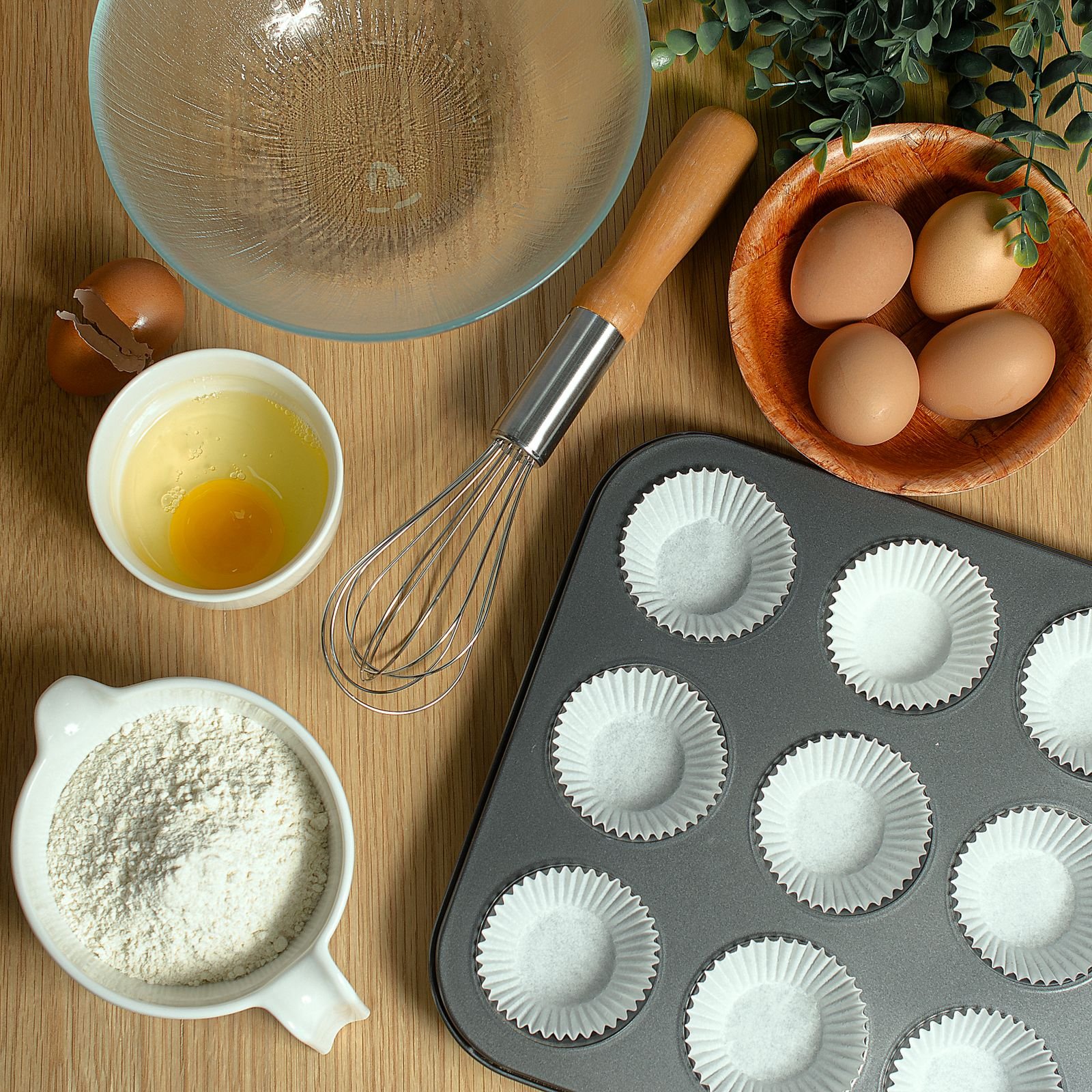
- Heat the oven and prepare your pans. Preheat the oven to 375°F (190°C). Lightly coat all 12 cups of the muffin tin with nonstick spray, getting into the corners, or brush each cup with a thin layer of olive oil. Line the sheet pan with parchment. Egg muffins are notorious for sticking, so be generous here — this minute of care saves a lot of scraping later.
- Season and start the sweet potatoes. Place the cubes on the prepared pan. Drizzle with 1 tablespoon olive oil, then sprinkle with the smoked paprika, garlic powder, salt, and pepper. Toss with your hands until every piece is lightly coated, then spread them in a single layer with a little space between pieces. Crowded potatoes steam instead of roast. Roast for 25 to 30 minutes total, turning once halfway, until the edges are caramelized and a fork slides in easily.
- Soften the vegetables. While the potatoes start roasting, heat 1 teaspoon olive oil in a large skillet over medium heat. Add the onion and bell pepper with a small pinch of salt. Cook for 4 to 5 minutes, stirring now and then, until they soften and the onion turns translucent at the edges. Add the spinach and cook for just 1 minute more, until it wilts. Remove from the heat and let the mixture cool for 3 to 4 minutes. Hot vegetables added straight to raw eggs can start cooking them in the bowl and make the texture uneven, so this short rest matters.
- Whisk the egg base. In a large bowl, crack in the 10 eggs. Add the milk, salt, black pepper, garlic powder, and smoked paprika. Whisk for 30 to 45 seconds, until the mixture is uniform in color, slightly frothy on top, and no ribbons of egg white remain. You are not trying to whip in a lot of air — too much foam can make the muffins puff dramatically and then collapse — you just want everything completely combined.
- Fold in the fillings. Add the cooled vegetable mixture, the tomatoes, half of the shredded cheddar, and the chives to the bowl. Stir gently with a spatula until the fillings are evenly distributed. The mixture will look quite chunky, and that is right. Every scoop should carry a good mix of egg and vegetables.
- Fill the muffin cups. Divide the mixture evenly among the 12 cups, filling each about three-quarters full. A large spoon or a 1/3-cup measure makes this tidy and consistent. Give the tin a gentle tap on the counter to settle the mixture and release any large air pockets. Sprinkle the remaining cheddar evenly over the tops.
- Bake the egg muffins. Place the tin in the oven alongside or below the sweet potatoes. Bake at 375°F (190°C) for 18 to 22 minutes. The muffins are done when the centers are just set — they should look matte rather than shiny and wet, puff slightly, and spring back when you press one lightly. A toothpick inserted in the center should come out clean, and the center should read at least 160°F (71°C) on a thermometer. A tiny jiggle in the very middle is fine because they will carry on setting as they rest, but liquid egg on the surface means they need 2 more minutes.
- Rest before removing. Let the muffins rest in the tin for 5 minutes. They will deflate just a little, which is completely normal for baked eggs. Run a thin knife or small spatula around the edge of each cup, then lift them out onto a wire rack or plate. Resting makes them firmer and much easier to remove without tearing.
- Portion into containers. Once the sweet potatoes are tender and browned at the edges, let everything cool for 15 to 20 minutes. Divide the potatoes among 5 containers and add 2 egg muffins to each. Leave the lids slightly ajar until the food is no longer steaming, then seal and refrigerate. Trapping steam in a sealed hot container is one of the fastest ways to make meal prep taste tired by Wednesday.
- Reheat and serve during the week. In the morning, remove the lid and microwave one container for 60 to 90 seconds, until steaming hot throughout. Let it stand for 30 seconds before eating. Add fresh fruit, avocado, or hot sauce after reheating rather than storing them together, and breakfast is ready.
My Best Tips for Fluffy, Never-Rubbery Eggs
Do not overbake. Eggs go from silky to spongy very quickly, and reheating adds a second round of heat. Pull the muffins when they are just set and still feel soft when pressed.
Cook the vegetables first. Raw vegetables release water as they bake and create soggy bottoms. Five minutes in a skillet drives off that moisture and concentrates the flavor.
Grease the tin like you mean it. Even nonstick tins grip eggs. Spray every surface of each cup, including the rim, because the muffins puff up slightly as they bake.
Cool before you seal. Warm food in a closed container creates condensation and a wet layer on top of stored eggs. Fifteen patient minutes fixes it.
Season in layers. A little salt on the vegetables, plus salt in the egg base, tastes far better than dumping it all in at the end.
Reheat gently. Short bursts at 70 to 80 percent power keep eggs tender. A damp paper towel laid loosely over the top helps even more.
Common Mistakes to Avoid
Filling the cups to the brim. Eggs puff as they bake. Overfilled cups spill, stick, and bake unevenly. Three-quarters full is the sweet spot.
Using only egg whites. All-white muffins are drier, blander, and less satisfying. The yolk carries much of the nutrition and flavor.
Storing fresh toppings inside the box. Avocado browns, herbs wilt, and salsa makes everything damp. Add fresh elements in the morning.
Skipping the rest after baking. Muffins lifted out immediately often stick and tear. Five minutes in the tin firms them up.
Reheating from frozen without thawing. The edges get tough while the center stays icy. Thaw overnight in the fridge whenever you can.
Substitutions That Work Well
This formula is forgiving. Keep the total volume of fillings roughly the same so the egg-to-filling ratio stays balanced.
- Dairy-free: Leave out the cheese or use dairy-free shreds, and swap the milk for unsweetened almond or oat milk. A spoonful of nutritional yeast adds a savory note.
- More protein: Stir in 1/2 cup (120 g) low-fat cottage cheese, blended smooth, in place of the milk. Cooked turkey sausage or diced chicken — about 3/4 cup — also works well.
- Lower fat: Use 6 whole eggs plus 4 whites instead of 10 whole eggs. Do not go further or the muffins turn pale and dry.
- Different vegetables: Mushrooms (cooked until they give up their liquid), zucchini (salted and squeezed dry), peas, corn, or chopped kale all slot in easily.
- Different cheese: Feta gives a salty, tangy bite. Pepper jack adds gentle heat.
- No sweet potato: Roasted potato cubes, butternut squash, or cooked quinoa all fill the same role.
Variations to Keep the Week Interesting
Once you have the base down, a small change makes a whole new breakfast. That variety is what makes healthy egg breakfast meal prep sustainable month after month.
Mediterranean: Swap cheddar for feta, use zucchini and red onion, and add chopped sun-dried tomatoes (patted dry) and a pinch of oregano.
Southwest: Add 1/2 cup black beans (rinsed and drained), 1/2 teaspoon cumin, and pepper jack instead of cheddar. Serve with salsa after reheating.
Broccoli cheddar: Replace the spinach and pepper with 1 1/2 cups finely chopped steamed broccoli. The classic combination, and it reheats exceptionally well.
Ham and Swiss: Fold in 3/4 cup finely diced cooked ham and use Swiss cheese.
Herb garden: Skip the paprika, double the fresh herbs — chives, parsley, and dill — and finish with a little lemon zest after reheating.
If you are planning a full week of prep beyond breakfast, you might prep a lunch at the same time — something like an easy tuna salad without mayo holds up well in the fridge and uses the same chop-once, eat-all-week approach.
What to Serve With Your Egg Muffins
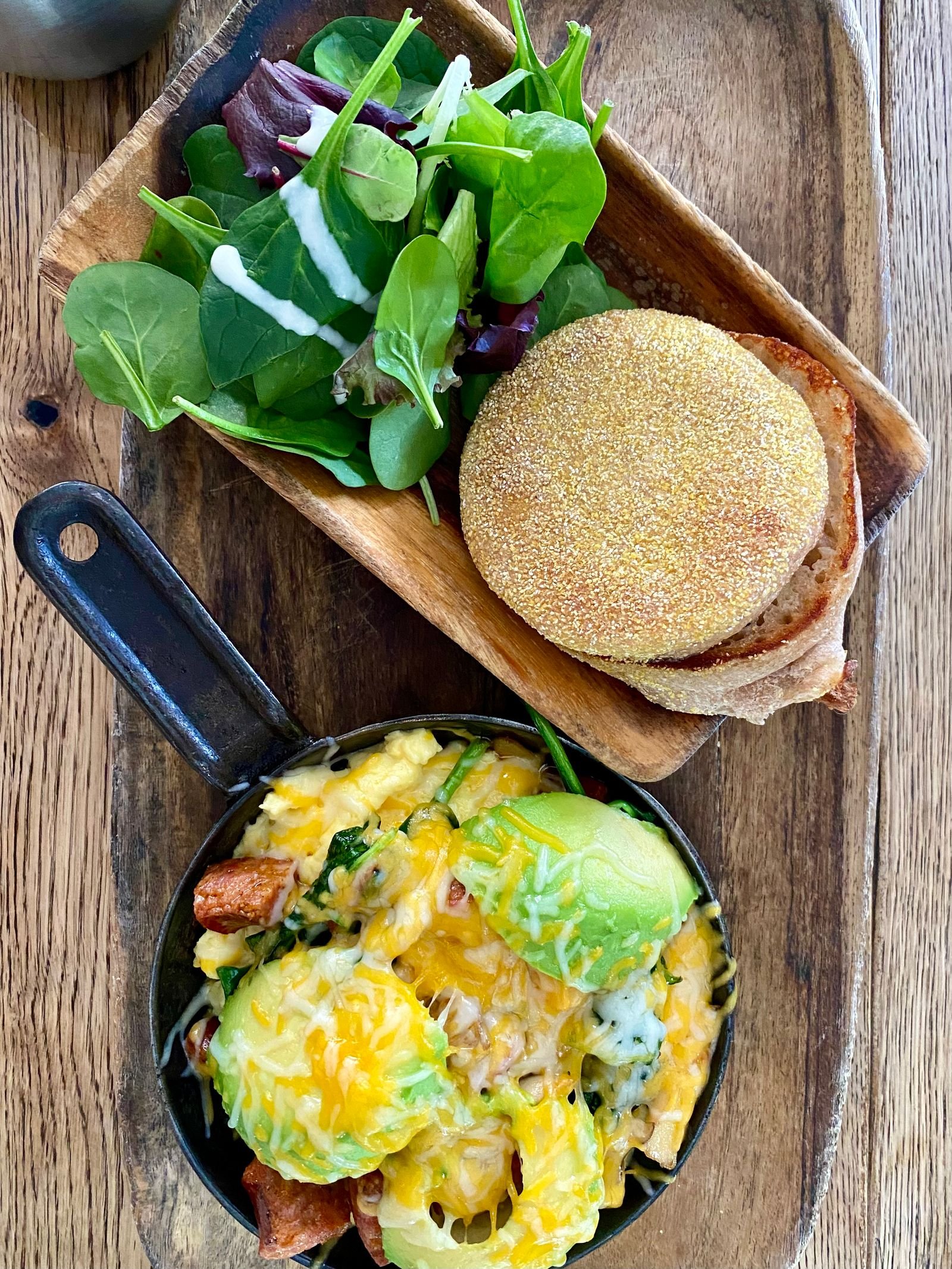
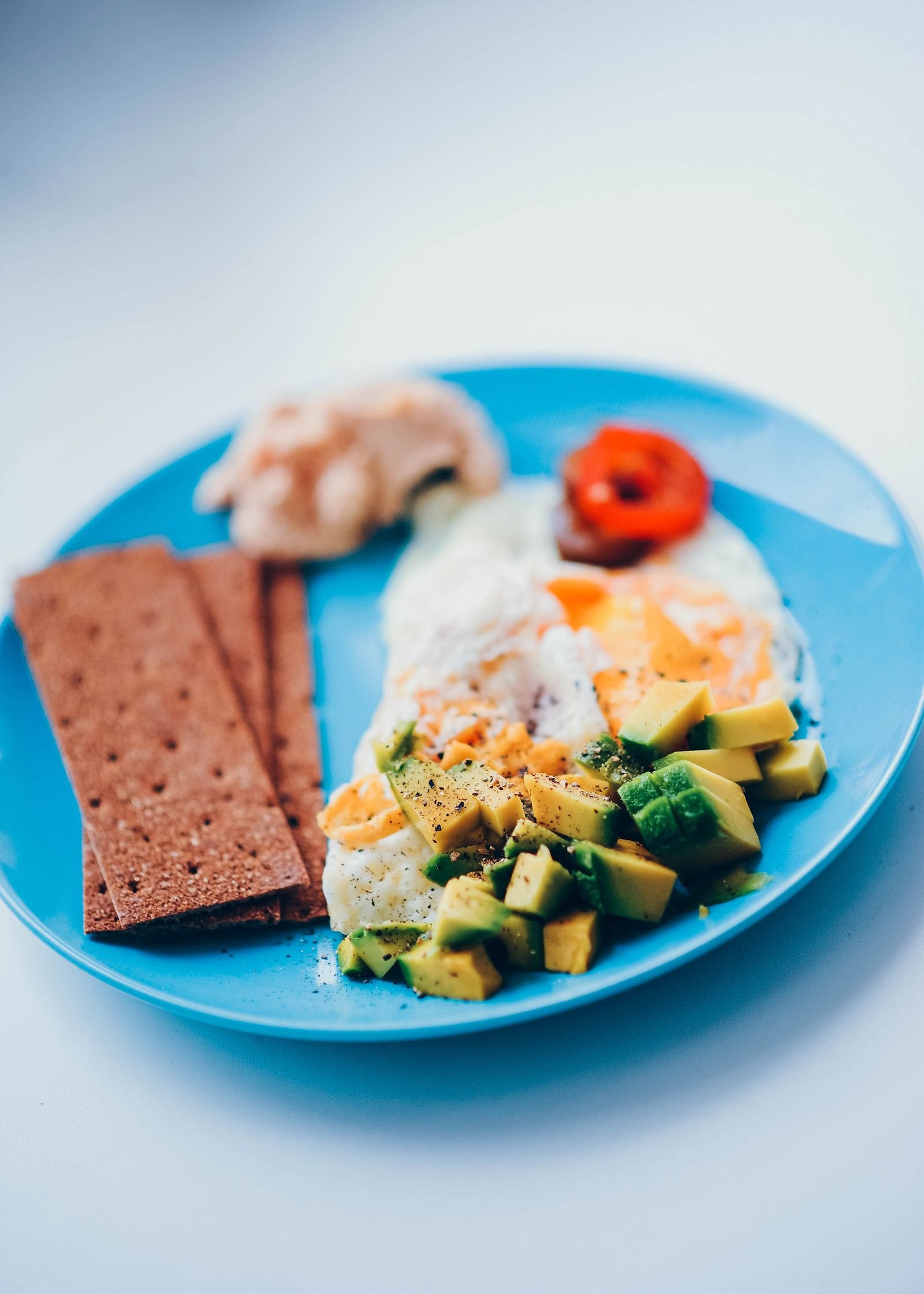
Two muffins and sweet potatoes make a complete box on their own, but a fresh addition in the morning makes it feel like a real plate instead of a reheated container. Try a cup of fresh berries, melon, or a clementine for brightness, or half a small avocado, sliced and seasoned with salt, pepper, and a squeeze of lime. A slice of whole-grain toast helps on long, active mornings, and hot sauce, salsa, or a spoonful of plain Greek yogurt with herbs stirred in all take about ten seconds to add.
For families who meal prep dinners in the same Sunday session, pairing this breakfast prep with a simple evening rotation helps the whole week run smoothly — I often point readers toward simple ground beef dinners with just a few ingredients for those nights when energy is low but you still want a home-cooked meal.
Storage, Freezing, and Reheating
Refrigerator: Store the sealed containers in the refrigerator at 40°F (4°C) or below for up to 5 days. Keep them toward the back of a shelf rather than in the door, where the temperature swings most. If you are prepping for a full seven days, freeze the last two portions instead of stretching them.
Freezing: Let the muffins cool completely, wrap each one individually, and place them in a freezer bag with the air pressed out. Freeze for up to 2 months. The sweet potatoes can be frozen too, though they soften a little more on reheating. Label the bag with the date.
Thawing: Move frozen muffins to the refrigerator the night before. In a pinch, use the defrost setting for 1 to 2 minutes before reheating.
Reheating in the microwave: Cover two muffins loosely with a damp paper towel and heat at 80 percent power for 60 to 90 seconds from refrigerated. They are ready when steaming in the center. Rest 30 seconds before eating.
Reheating in the oven or air fryer: Warm muffins in a 325°F (165°C) oven for 8 to 10 minutes, or in an air fryer at 320°F (160°C) for 3 to 4 minutes for slightly crisped edges. Give the sweet potatoes 10 to 12 minutes in the oven to crisp up again.
Food safety note: Reheat leftovers to 165°F (74°C) when reheating a full mixed container with potatoes, and refrigerate any portion you do not finish promptly. Do not leave cooked breakfast boxes at room temperature for more than 2 hours, or 1 hour on a hot day.
Nutrition Information
The figures below are estimates for one serving — two egg muffins plus about 3/4 cup roasted sweet potatoes — based on the ingredients listed and standard nutrition databases for home cooking. They are not lab-tested, and your actual numbers will shift with the exact cheese, milk, and vegetable amounts you use. Treat them as a helpful guide rather than a precise label.
- Calories: approximately 310
- Protein: 18 g
- Carbohydrates: 24 g
- Fiber: 4 g
- Total fat: 16 g
- Saturated fat: 5 g
- Sodium: approximately 520 mg
- Sugar: 6 g (mostly naturally occurring in the sweet potato and vegetables)
It is a genuinely balanced plate: solid protein, complex carbohydrates, fiber, and enough fat to keep you full. If you are tracking sodium, reduce the salt slightly and choose a lower-sodium cheese.
Frequently Asked Questions
How many days does this healthy egg breakfast meal prep last?
Stored in airtight containers in a refrigerator at 40°F (4°C) or below, the muffins and potatoes keep well for up to 5 days. The texture is best on days one through four. If you need a full week, freeze the final two portions and thaw them overnight before eating.
Why did my egg muffins deflate after baking?
A little deflation is completely normal — the puff comes from steam, which escapes as the eggs cool. Over-whisking and overbaking make it more dramatic. Whisk just until combined, pull the muffins when the centers are just set, and let them rest in the tin for 5 minutes for the gentlest landing.
Why are my egg muffins watery or spongy?
Watery muffins almost always come from raw or undercooked vegetables, especially spinach, mushrooms, zucchini, and tomatoes. Cook the vegetables first, pat tomatoes dry, and let the filling cool before mixing. A spongy texture usually means the eggs were overbaked or reheated too hot for too long.
Can I make these without a muffin tin?
Yes. Pour the mixture into a greased 8-inch square baking dish and bake at 375°F (190°C) for 22 to 26 minutes, until the center is just set. Let it rest for 10 minutes, then slice into 6 squares. The squares store and reheat exactly like the muffins, though the edges will be a little firmer.
Can I use egg whites only?
You can, but I do not recommend making the whole batch that way. All-white muffins are drier, paler, and less satisfying because the yolk carries flavor and nutrients. A better compromise is 6 whole eggs plus 4 whites, which keeps the texture tender while trimming some fat.
How do I stop the muffins from sticking to the pan?
Grease generously, including the rim around each cup, and let the baked muffins rest for 5 minutes before removing them. A metal tin with thorough spraying releases reliably. If sticking is a recurring problem, silicone liners are a worthwhile, reusable fix.
Can I add meat to these egg muffins?
Absolutely. Add about 3/4 cup of fully cooked, finely chopped meat — turkey sausage, diced ham, cooked chicken, or crumbled cooked bacon. Because the meat goes in already cooked, the baking time stays the same. Drain any fat well so the muffins do not turn greasy in storage.
What is the best way to reheat them so they stay fluffy?
Use the microwave at 70 to 80 percent power for 60 to 90 seconds with a damp paper towel laid loosely over the top, then rest 30 seconds. Gentle heat is the whole secret. If you are reheating several portions at once, the oven at 325°F (165°C) for 8 to 10 minutes gives the most even result.
Are these egg muffins good for kids?
They are a great fit for kids because the portions are small, the flavors are mild, and children can choose their own fillings. Let them sprinkle the cheese on top before baking. For younger children, cut the muffins into strips after reheating and check the temperature carefully, since eggs hold heat.
Can I double the recipe for a bigger household?
Yes, it doubles cleanly — use two muffin tins and two sheet pans, and rotate the pans between racks halfway through baking so everything browns evenly. Baked muffins also freeze well, so a double batch on Sunday can cover parts of the following week too.
Conclusion
A good morning does not need a complicated routine — just a plan that is already done. With one tin of fluffy egg muffins and a pan of sweet potatoes, you get five warm, filling breakfasts, ready faster than a coffee order.
Make the base recipe once, then play with the variations until you find the version your household asks for by name. That is when meal prep stops feeling like a project and starts feeling like a habit that makes the whole week easier. Happy prepping, and enjoy your mornings a little more this week.
2 Comments