
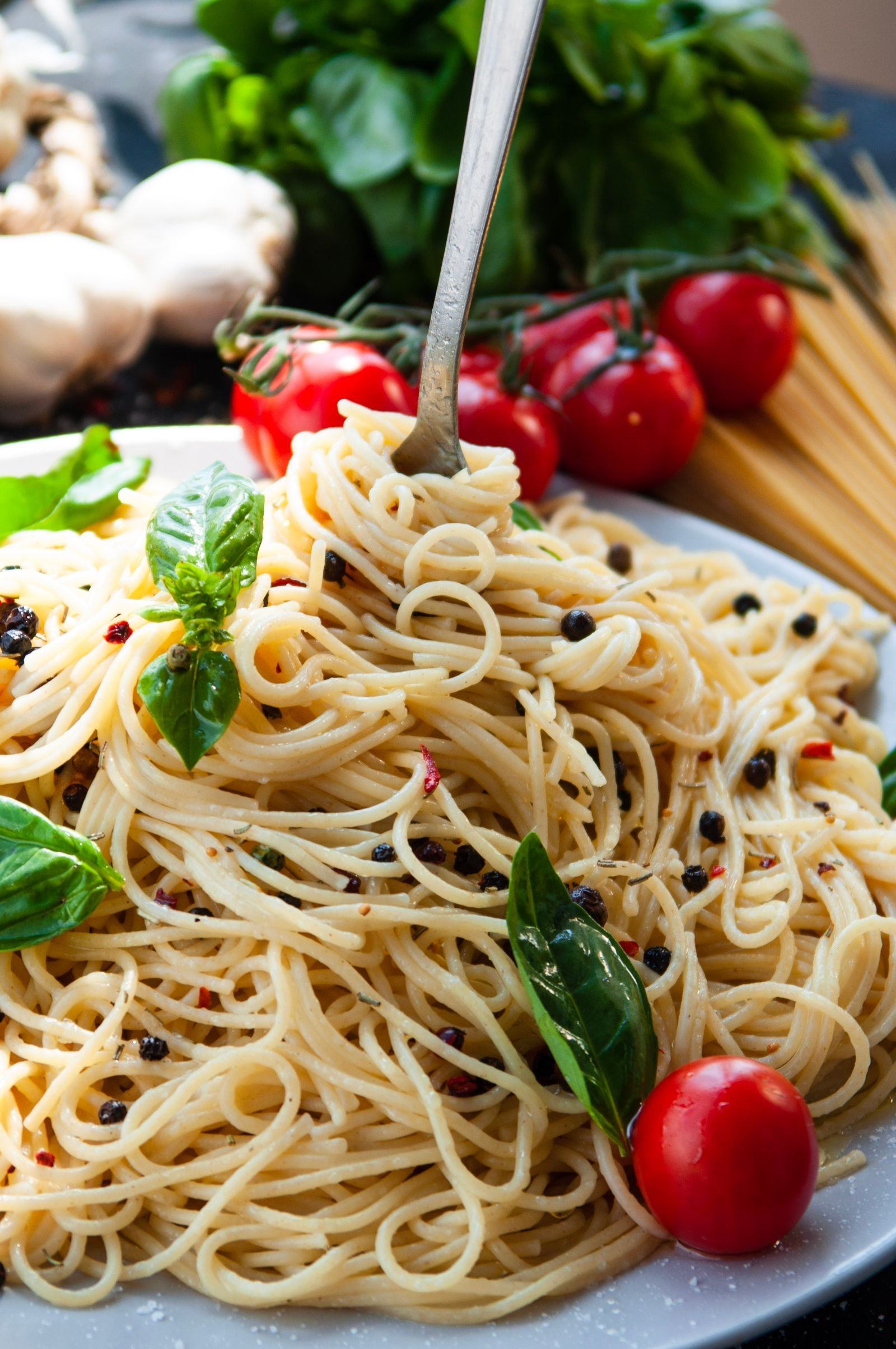
Homemade Garlic Butter Noodles (Quick, Buttery & Easy)
There are nights when you open the fridge, stare for a minute, and realize you do not have the energy for anything complicated — but you still want something that tastes like you actually tried. That is exactly where these homemade garlic butter noodles live. They are warm, glossy, and deeply comforting, made from pantry staples you probably already have, and they come together in about the time it takes to boil a pot of pasta. No fancy sauce, no long simmer, no sink full of dishes. Just tender noodles coated in golden garlic butter with a little Parmesan, a squeeze of lemon if you like, and fresh parsley scattered over the top.
What makes this version work so well is not just the ingredient list — it is the timing. A lot of garlic butter pasta recipes either burn the garlic, end up greasy and separated, or taste flat because the pasta water is tossed away too quickly. Here, we bloom the garlic gently in butter and a touch of olive oil so it turns sweet and fragrant instead of bitter, then we use a splash of the hot, starchy pasta water to bring everything together into a silky sauce that actually clings to every strand. That one small step is the difference between noodles sitting in a puddle of butter and noodles that look and taste like they came from a cozy little bistro.
This is a recipe for everyone. It is perfect for busy weeknights, for college students cooking in a tiny kitchen, for parents who need a side dish that picky eaters will not argue about, and for anyone who wants a reliable base they can dress up however they like. Eat it plain in a big bowl with extra cheese, or add chicken, shrimp, roasted vegetables, or a fried egg on top and call it dinner. Once you make homemade garlic butter noodles this way, you will find yourself coming back to them again and again — not because they are trendy, but because they are honest, fast, and genuinely delicious.
Why You’ll Love This Recipe
Some recipes earn a permanent spot in your rotation, and this one checks every box for a weeknight favorite.
- Ready in 20 minutes: From boiling the water to sitting down with a fork, you are looking at about 20 minutes total, most of it hands-off while the pasta cooks.
- Pantry-friendly ingredients: Butter, garlic, pasta, and Parmesan are things most home cooks keep around. No special trip to the store required.
- One pot, one pan: Minimal cleanup. You will boil the noodles in one pot and build the sauce in a large skillet, then toss everything together.
- Kid-friendly but not boring: The flavors are simple and buttery enough for younger palates, yet with black pepper, lemon, and herbs, adults will love it too.
- Endlessly adaptable: Keep it vegetarian as written, make it spicy, add protein, or load it with vegetables. The base never fails you.
- Budget-friendly comfort food: A whole batch costs just a few dollars to make and feeds four people generously as a main or six as a side.
A Little Background on This Simple Classic
Garlic butter noodles do not belong to one single cuisine, and that is part of their charm. Italian cooks have long tossed pasta with garlic and olive oil in aglio e olio, French kitchens lean on garlic butter for everything from escargot to steamed vegetables, and American home cooking embraced buttered noodles as a humble side dish for generations. This recipe borrows the best ideas from all of those traditions — the gentle garlic infusion from Italian cooking, the richness of real butter, and the American love of a generous handful of Parmesan — and keeps the method as simple as possible.
You do not need to worry about getting it “authentic” in any strict sense. What matters here is balance: enough garlic to be fragrant but not harsh, enough butter to feel indulgent but not heavy, enough salt and pasta water to make the sauce taste seasoned all the way through. When those pieces line up, even the simplest bowl of noodles feels special.
Ingredients
This recipe makes about 4 servings as a main dish or 6 servings as a side. The quantities below are written for standard dried pasta, which is what most people will use, but fresh pasta works too with a shorter cooking time.
- 12 ounces (340 g) dried pasta — spaghetti, linguine, fettuccine, angel hair, or short shapes like penne, rotini, or farfalle. Long noodles are classic for twirling, but use what you have. Egg noodles are also lovely here for an extra-rich, old-fashioned feel.
- 6 tablespoons (85 g) unsalted butter — Unsalted lets you control the salt level, especially since the pasta water and Parmesan are both salty. If you only have salted butter, use it and reduce the added salt at the end. Real butter matters here; it is the base of the sauce, so this is not the place for margarine if you can help it.
- 1 tablespoon olive oil — Just a little. The oil raises the smoke point slightly and helps keep the butter from browning too fast while the garlic cooks. It also adds a faint fruity note in the background.
- 6 to 8 large garlic cloves, finely minced or sliced thin (about 2 tablespoons) — Fresh garlic is essential. Pre-minced jarred garlic tends to taste sharp and flat by comparison, and garlic powder will not give you the same sweet, mellow flavor. If you love garlic, go with 8 cloves. If you are cooking for kids or prefer it milder, 5 or 6 is plenty.
- 1/2 teaspoon kosher salt, plus more for the pasta water — Salt the pasta water generously; it should taste like the sea. That is your first and best chance to season the noodles themselves.
- 1/2 teaspoon freshly ground black pepper, plus more to taste — Freshly ground has a warmer, more aromatic bite than pre-ground. White pepper works too if you want the heat without the dark flecks.
- 1/4 to 1/2 teaspoon red pepper flakes (optional) — For a gentle background warmth. Start with 1/4 teaspoon if you are unsure; you can always add more at the table.
- 3/4 cup (75 g) freshly grated Parmesan cheese, plus extra for serving — Freshly grated melts more smoothly and tastes nuttier than the pre-shredded kind, which often contains anti-caking agents. Pecorino Romano is a sharper, saltier swap if you prefer it.
- 1 cup (240 ml) reserved hot pasta cooking water — You may not use all of it, but reserve at least a cup before draining. This starchy water is the secret to a glossy sauce that coats instead of pools.
- 2 tablespoons fresh parsley, finely chopped — Flat-leaf parsley adds color and a clean, fresh finish. Dried parsley can be used in a pinch (about 2 teaspoons), but fresh really brightens the dish.
- 1 teaspoon fresh lemon juice or 1/2 teaspoon lemon zest (optional but recommended) — A tiny amount lifts the richness and makes the garlic pop without making the noodles taste lemony.
- Optional finishing touches: a small knob of extra cold butter to toss in at the end for shine, toasted breadcrumbs for crunch, or a drizzle of good olive oil just before serving.
Notes on Choosing Your Pasta
The shape you pick changes the experience more than you might expect. Spaghetti and linguine give you that classic twirl and a delicate bite. Fettuccine holds more sauce on its wide surface and feels a little more luxurious. Short shapes like rotini and fusilli trap the garlic butter in their spirals, which is wonderful if you are adding peas, small broccoli florets, or diced chicken — everything gets caught together in each forkful. Angel hair cooks in just 3 to 4 minutes and is wonderfully silky, but it overcooks quickly, so watch it closely. Whole wheat pasta adds a nutty flavor and extra fiber and works well, though it can benefit from an extra splash of pasta water since it absorbs more liquid. Gluten-free pasta also works; just be aware that some brands release less starch, so you may want to add a touch more Parmesan to help the sauce come together.
Notes on Butter and Garlic
Because there are so few ingredients, their quality really shows. European-style butter, with its slightly higher fat content, makes an especially rich sauce, but regular good-quality unsalted butter is perfectly fine. For the garlic, look for firm heads with tight, papery skins and no green sprouts in the center of the cloves — those sprouts can taste bitter. To mince garlic quickly, smash each clove with the flat side of a knife, peel it, then rock the knife over it until fine. If you prefer a milder, sweeter garlic flavor, slice the cloves thinly instead of mincing; sliced garlic toasts more gently and is less likely to burn or turn harsh.
Equipment
You do not need anything special, which is another reason this recipe is so weeknight-friendly.
- Large pot (at least 5 to 6 quarts) for boiling pasta
- Large skillet or wide sauté pan (12-inch is ideal) — big enough to toss the pasta in the sauce
- Colander or a spider strainer / pasta fork for draining or lifting noodles
- Heatproof measuring cup for reserving pasta water
- Chef’s knife and cutting board
- Microplane or box grater for the Parmesan
- Tongs for tossing the pasta
- Wooden spoon or heatproof spatula
If you do not have a large skillet, you can build the sauce in the same pot you cooked the pasta in after draining — just return the pot to low heat, melt the butter there (being careful, as the pot will be hot and may brown the butter faster), and proceed. It works fine and saves a dish.
Step-by-Step Instructions
Read through the steps once before you start, because the final tossing happens quickly. The most important habit to build here is simple: reserve your pasta water before you drain, and keep the heat gentle once the garlic goes in.
- Bring a large pot of water to a boil. Fill your pot with about 4 to 5 quarts of water, cover it to help it boil faster, and set it over high heat. Once it reaches a rolling boil, add about 1 tablespoon of kosher salt. Salting at the boil seasons the pasta from the inside out. Do not add oil to the water; it can make the noodles slippery and prevent the sauce from clinging later.
- Cook the pasta until just shy of done. Add 12 ounces of pasta and stir for the first 30 seconds so the strands do not stick together. Cook according to the package directions, but start tasting 1 to 2 minutes before the suggested time. You want it al dente — tender with a slight firm bite in the center — because it will finish cooking for another minute in the hot skillet with the sauce. For most spaghetti and linguine, this is about 8 to 9 minutes. For penne or rotini, plan on 9 to 11 minutes. For angel hair, check at 3 minutes.
- Reserve the pasta water, then drain. Right before draining, scoop out at least 1 cup of the hot, cloudy cooking water into a heatproof measuring cup and set it aside. This step is non-negotiable for a silky sauce, so do it before the pasta goes into the colander. Drain the pasta, but do not rinse it. Rinsing washes away the surface starch that helps the butter sauce adhere. Give the colander a gentle shake and set the pasta aside for just a moment.
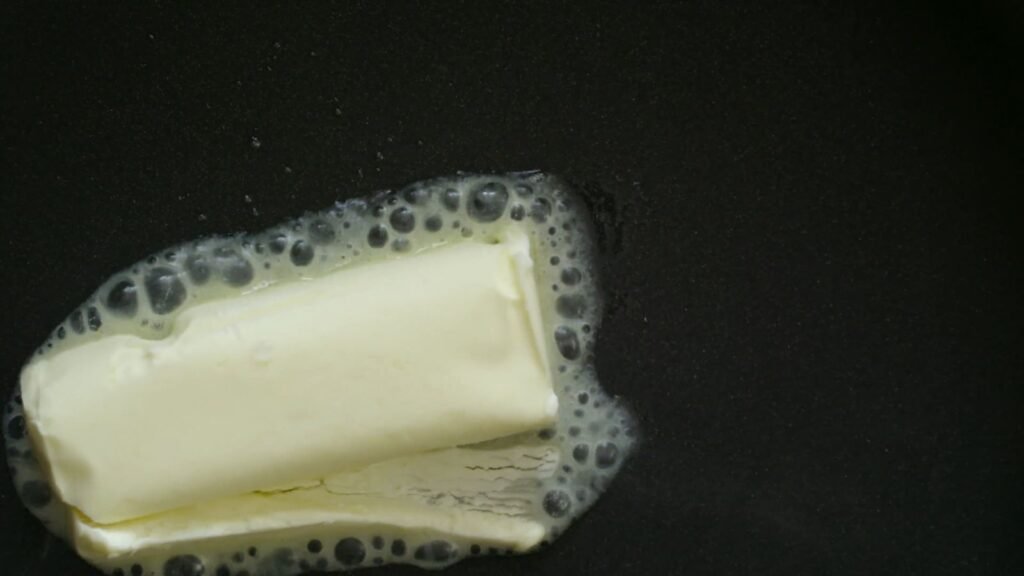
- Start the garlic butter while the pasta finishes — or right after draining. Place your large skillet over medium-low heat. Add the olive oil and the butter. Let the butter melt slowly, swirling the pan occasionally. It will foam a little; that is the water in the butter cooking off and it is completely normal. You want the heat gentle here, not aggressive. If the butter starts to brown deeply before the garlic goes in, lower the heat.
- Bloom the garlic gently until fragrant and pale gold. Add the minced or sliced garlic and the red pepper flakes, if using, to the melted butter. Stir constantly with a wooden spoon. Cook for 60 to 90 seconds for minced garlic, or 2 to 3 minutes for sliced garlic, until it smells sweet and fragrant and turns just barely golden at the edges. This is the most important moment in the whole recipe. Garlic goes from perfect to burned very quickly, and burned garlic tastes bitter and acrid and will overpower everything. If it starts coloring too fast, pull the pan off the heat immediately and keep stirring — the residual heat will finish it. The garlic should look pale gold, not dark brown.
- Add a splash of pasta water to start the sauce. Pour about 1/2 cup of the reserved hot pasta water into the skillet. It will sizzle and steam. Stir or swirl the pan for 20 to 30 seconds. The starch in the water helps emulsify the butter so the sauce looks creamy and unified rather than oily and separated. This is the restaurant trick that makes a home version taste polished.
- Add the pasta to the skillet and toss. Using tongs, add the drained pasta directly to the skillet. Toss continuously for 1 to 2 minutes over medium-low heat, lifting and turning so every strand gets coated. Add more pasta water a splash at a time — 2 to 3 tablespoons at a time — if the noodles look dry or the sauce looks like it is pooling at the bottom instead of clinging. The finished sauce should look glossy and lightly creamy, coating the back of a spoon and leaving a thin sheen on the noodles. The pasta will absorb some liquid as it sits, so err on the side of slightly looser than you think you need.
- Turn off the heat and add the cheese and finishing touches. Remove the skillet from the heat. This matters, because adding Parmesan over direct high heat can make it clump or turn grainy. Sprinkle in the grated Parmesan, the chopped parsley, the black pepper, and the lemon juice or zest if using. Toss vigorously for another 30 to 60 seconds until the cheese melts into the sauce and everything looks evenly coated. If you are adding the optional extra knob of cold butter, toss it in now; it will melt gently and give the noodles a beautiful shine.
- Taste and adjust the seasoning. Taste a noodle. Does it need more salt? A touch more pepper? Another squeeze of lemon? A pinch more red pepper flakes? Adjust now, while it is still in the pan and easy to toss again. Remember that Parmesan is salty, so taste before adding more salt automatically.
- Serve immediately. Garlic butter noodles are at their absolute best right out of the pan, hot and glossy. Divide among warm bowls or plates, twirling the long noodles into neat nests if you like. Finish with extra Parmesan, a little more fresh parsley, and a crack of black pepper. Serve right away, passing extra cheese and red pepper flakes at the table for anyone who wants them.
Pro Tips for the Best Garlic Butter Noodles Every Time
These small details are what separate a good bowl from a great one. None of them are complicated, but together they make a real difference.
Keep the heat low for the garlic. Butter and garlic both punish high heat. Medium-low is your friend. If you are nervous, you can even start the garlic in the pan before turning the heat on and let it warm up gradually — a technique many chefs use for infused oils. The goal is sweet and fragrant, never sharp or dark.
Salt in layers. Salt the pasta water well, then rely on the Parmesan and a final taste to finish. Seasoning at multiple stages, rather than dumping salt in at the end, gives you a dish that tastes seasoned all the way through instead of just salty on the surface.
Use the pasta water like a sauce ingredient, not just a backup. Think of it as part of the recipe, not an emergency fix. Add it gradually and watch how the sauce changes — it will go from separated and oily to smooth and clinging in seconds once the starch does its work.
Do not skimp on tossing. Tossing is not just mixing. The motion helps the starch, butter, and cheese emulsify, and it evenly distributes the garlic so you do not get one bland bite and one overwhelmingly garlicky bite. A full minute of active tossing in the pan is worth it.
Grate your own cheese if you can. It melts better, tastes cleaner, and you avoid the powdery coating on pre-shredded cheese that can make sauces feel gritty. If pre-grated is what you have, that is fine — just toss it in off the heat and add a splash more pasta water to help it melt smoothly.
Add a little acid at the end. That small squeeze of lemon or even a tiny splash of white wine vinegar brightens butter-based sauces in a way salt alone cannot. You should not taste “lemon noodles” — you should just notice that the whole bowl tastes more awake.
Common Mistakes to Avoid
Burning the garlic. This is mistake number one, and it happens fast. Minced garlic can burn in under a minute over medium-high heat. Stay at the stove, stir constantly, and pull the pan early if needed. If the garlic does burn dark brown and smell bitter, it is better to wipe out the pan and start the butter step over than to push through — the bitter flavor will not cook out.
Draining away all the pasta water. Almost everyone has done this once. Set your measuring cup right next to the pot as a visual reminder, or place it in the colander in the sink so you cannot drain without seeing it. Without that starchy water, you will have buttered noodles, which are fine, but you will miss the silky sauce that makes this recipe special.
Overcooking the pasta. Mushy noodles cannot be fixed, and they will continue to soften in the hot sauce. Always pull the pasta a minute early and let it finish in the skillet. If you are unsure, taste often in the last two minutes of boiling.
Adding cheese over high heat. Parmesan can seize and clump if the pan is too hot. Taking the skillet off the burner for the cheese step gives you a smooth melt every time.
Underseasoning. Butter and pasta are both mild, so this dish needs confident seasoning. If your finished bowl tastes a little flat, it almost always needs a pinch more salt or a touch more acid, not more butter.
Substitutions and Variations
One of the reasons homemade garlic butter noodles stay in rotation is how easily they change with your mood or what is in the fridge.
Make it dairy-free or vegan: Swap the butter for a good plant-based butter or use 4 tablespoons of extra-virgin olive oil and skip the butter entirely. Replace Parmesan with nutritional yeast (about 3 tablespoons) or a dairy-free Parmesan alternative, and add an extra pinch of salt and lemon to keep the flavor bright.
Brown butter version: For a nuttier, deeper flavor, let the butter cook a minute or two longer, swirling constantly, until the foam subsides and the milk solids turn amber and smell toasty. Then lower the heat, add the garlic, and proceed quickly — brown butter can go from perfect to burned fast.
Herb garden noodles: Stir in basil, chives, thyme, or a handful of baby spinach at the end. Spinach wilts in the residual heat in about 30 seconds and adds lovely color.
Spicy garlic noodles: Double the red pepper flakes, add a teaspoon of chili crisp on top, or toss in a finely sliced fresh chili with the garlic.
Protein-packed: Add sliced cooked chicken, sautéed shrimp (cook them in the garlic butter for 2 to 3 minutes per side until pink and opaque, reaching 145°F), crispy chickpeas, white beans, or a jammy soft-boiled egg.
Vegetable-loaded: Toss in steamed broccoli, peas, sautéed mushrooms, zucchini, or roasted cherry tomatoes. Add firmer vegetables to the pasta water for the last 2 to 3 minutes so everything finishes together.
Creamy twist: Stir in 2 to 3 tablespoons of cream cheese or a splash of heavy cream with the pasta water for a richer, slightly tangy sauce. It is not traditional, but it is very comforting.
What to Serve With Garlic Butter Noodles
On their own, these noodles make a satisfying light meal, especially with a big green salad on the side — something crisp with a lemony vinaigrette cuts through the butter beautifully. As a side dish, they are wonderful next to grilled or baked chicken, seared salmon, garlic shrimp, meatballs, or a simple steak. Roasted vegetables like asparagus, green beans, or Brussels sprouts also pair well, as does warm garlic bread if you are happily leaning into the theme.
For dessert after a savory, buttery meal, something light and make-ahead is ideal. A slice of no-bake cheesecake without gelatin keeps the evening easy since it sets in the fridge while you cook, and a batch of chocolate chip cookies without brown sugar is a cozy, crowd-pleasing finish that uses pantry staples too — perfect when you want the whole meal to feel homemade without any extra fuss.
Storage, Freezing, and Reheating
Refrigerator: Store leftovers in an airtight container for up to 3 to 4 days. The butter will firm up and the noodles will absorb sauce as they sit, so they will look drier than when fresh — that is normal.
Reheating on the stove (best method): Place the noodles in a skillet over low heat with 1 to 2 tablespoons of water or milk per serving. Toss gently for 2 to 3 minutes until hot and glossy again. A small extra knob of butter at the end restores the shine.
Reheating in the microwave: Add a splash of water, cover loosely, and heat in 30-second intervals, tossing between each, until warmed through. This prevents hot spots and keeps the noodles from turning rubbery.
Freezing: You can freeze garlic butter noodles for up to 1 month, though the texture will be softer after thawing and butter sauces can separate slightly. Freeze in portioned airtight containers, thaw overnight in the fridge, and reheat on the stove with a splash of water and fresh Parmesan to bring it back together. For best results, freeze plain buttered noodles and add fresh parsley and cheese after reheating.
Nutrition Information
The figures below are rough home-kitchen estimates for 1 of 4 main-dish servings made with spaghetti, butter, and Parmesan as written, calculated from standard ingredient values. Actual numbers will vary depending on the pasta shape, brand of butter and cheese, and how much extra cheese you add at the table, so please treat them as a general guide rather than precise medical or dietary information.
- Calories: approximately 520 kcal
- Carbohydrates: approximately 64 g
- Protein: approximately 14 g
- Fat: approximately 23 g (saturated fat approximately 13 g)
- Fiber: approximately 3 g
- Sugar: approximately 2 g
- Sodium: approximately 420 mg (will vary with pasta water salt and cheese)
To lighten the dish, use 4 tablespoons of butter plus an extra tablespoon of olive oil, increase the pasta water for sauciness, and load half the bowl with vegetables. To add more protein and fiber, choose whole wheat or chickpea pasta and serve with chicken or beans.
Frequently Asked Questions
Can I use garlic powder instead of fresh garlic?
You can in a pinch — use about 3/4 teaspoon of garlic powder and add it with the Parmesan at the end rather than frying it, since garlic powder burns easily and can taste bitter in hot butter. That said, fresh garlic is strongly recommended here. It gives a sweeter, rounder flavor that really defines the dish, and it only takes a couple of minutes to mince.
What is the best pasta for garlic butter noodles?
Spaghetti, linguine, and fettuccine are the classic choices because the long strands twirl beautifully and coat evenly. Short shapes like rotini, penne, and farfalle work just as well, especially if you are adding vegetables or chicken. Ultimately the best pasta is the one you have on hand — just cook it al dente and save that pasta water.
Why is my sauce oily and separated instead of creamy?
That usually happens when the pasta water was skipped or the heat was too high. The starch in hot pasta water emulsifies the butter so it clings to the noodles. Add the water gradually while tossing constantly over medium-low heat, and finish with Parmesan off the heat. If it still looks oily, add another splash of hot water and keep tossing for 30 seconds.
Can I make garlic butter noodles ahead of time?
They are best served immediately, but you can make them a few hours ahead and reheat gently on the stove with a splash of water and a little fresh butter. If you are serving guests, a smarter approach is to prep the garlic, grate the cheese, and chop the parsley in advance, then cook and toss the pasta just before eating — the active cooking only takes a few minutes.
How do I keep the garlic from burning?
Use medium-low heat, stir constantly, and watch for color. Garlic should turn pale gold and smell sweet in 60 to 90 seconds if minced. If your pan is very hot or your stove runs strong, take the pan off the heat as soon as the garlic is fragrant and let the residual heat finish it. Starting over is better than serving bitter garlic.
Can I make this recipe gluten-free?
Yes. Use your favorite gluten-free pasta and cook it just until al dente, as gluten-free pasta softens quickly. Reserve the cooking water as directed, though note that some brands produce less starch, so you may need a little extra Parmesan to help the sauce coat. All the other ingredients in the recipe are naturally gluten-free, but check labels if that is important for your household.
What can I add to make this a complete dinner?
Grilled chicken, shrimp, salmon, meatballs, white beans, or chickpeas all turn these noodles into a full meal. Add a vegetable like broccoli, peas, spinach, or mushrooms, and finish with a simple salad. A fried or soft-boiled egg on top is also surprisingly delicious, with the yolk creating an extra-rich sauce as it breaks over the hot noodles.
Can I use salted butter?
Absolutely. Salted butter works fine — just reduce or skip the extra salt you might add at the end, and taste carefully after adding the Parmesan, which is also salty. Many home cooks prefer salted butter here for its extra savory depth. The dish will still be balanced as long as you taste before seasoning further.
How can I add more flavor without adding more butter?
Try lemon zest, extra black pepper, red pepper flakes, fresh herbs, toasted breadcrumbs, or a little extra Parmesan or Pecorino. A pinch of onion powder or a splash of the pasta water with an extra clove of garlic also deepens the flavor. Acid and aromatics give you more perceived richness without making the dish heavier.
Conclusion
Homemade garlic butter noodles prove that you do not need a long ingredient list or a complicated technique to make something people genuinely love. With good butter, fresh garlic treated gently, properly salted pasta, and that all-important splash of starchy cooking water, you get a bowl that is silky, fragrant, and comforting in the best possible way. Keep the base recipe in your back pocket for busy nights, dress it up when you have a little more time, and do not be surprised when it becomes one of the most requested dishes in your kitchen. Grab a pot, boil some water, and let that garlic butter do its quiet magic tonight.
One Comment