Air Fryer Salmon Bites Recipe (Crispy, Juicy & Ready in 15 Minutes)
If you love salmon but not the fuss of cooking a whole fillet — the splattering pan, the lingering smell, the guessing about whether the center is done — these little bites are about to become your favorite weeknight shortcut. This air fryer salmon bites recipe takes everything good about salmon, the rich flavor, the tender flaky texture, the healthy fats that keep you full, and turns it into poppable, golden-edged pieces that cook in about seven minutes. The outside gets lightly crisp and caramelized, the inside stays buttery and moist, and the whole thing goes from fridge to table in 15 minutes flat.
I started making salmon this way on nights when I wanted something that felt a little special but I had almost no energy left for cooking. Cutting the fillet into cubes felt like a small trick at first, but it changes everything. More surface area means more seasoning in every bite and more crisp edges. The hot circulating air does the rest, browning the outside quickly before the inside dries out. No breading, no deep frying, no standing over a hot skillet.
This recipe is for busy home cooks, anyone trying to eat more fish without getting bored, and families who need a protein that works as an appetizer, a main dish, a salad topper, and a meal-prep staple. Kids love the bite-size shape, adults love how versatile the flavor is, and you will love how little cleanup there is.
Why You’ll Love This Recipe
There are plenty of salmon recipes out there, but this one earns a permanent spot in the rotation for a few simple reasons:
- Truly fast: About 8 minutes of prep and 7 minutes of cooking. Dinner is ready in 15 minutes, even on your busiest night.
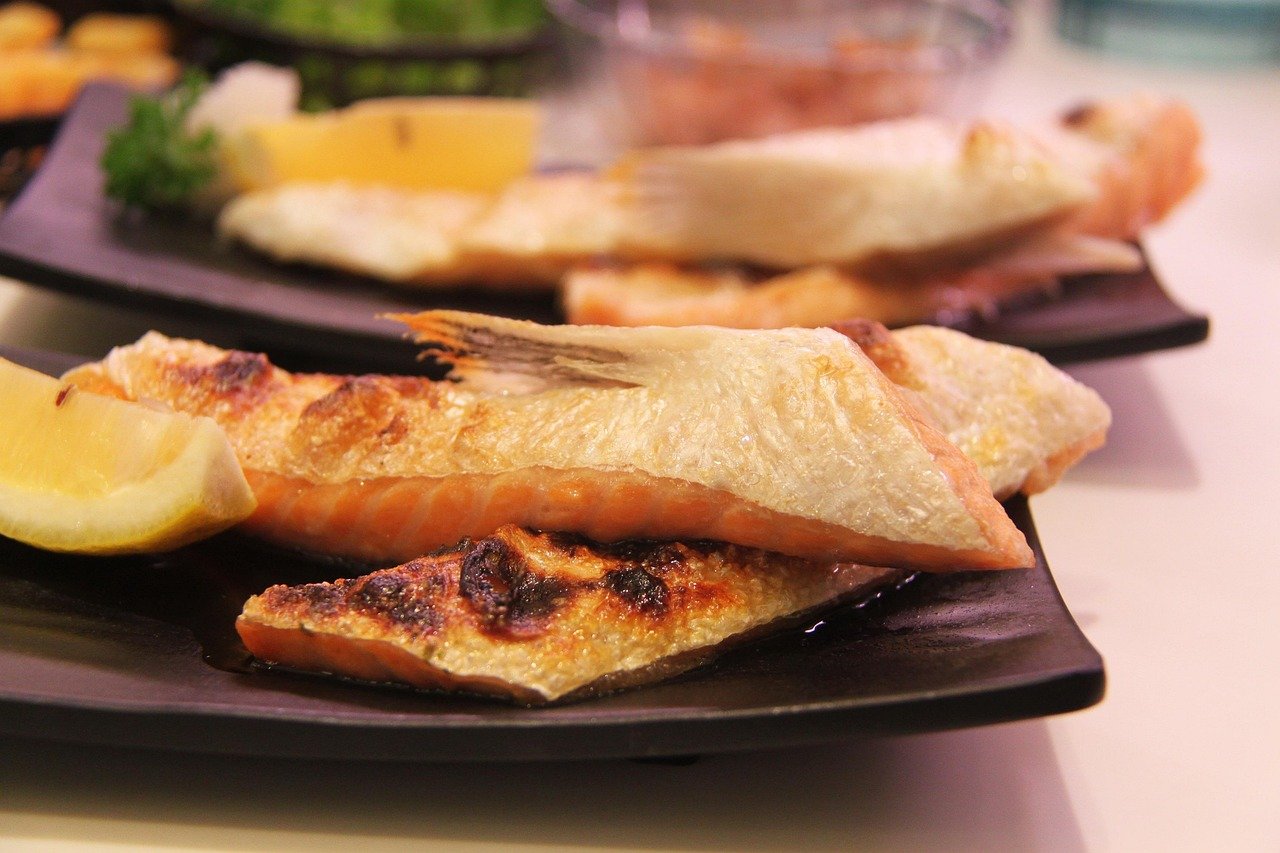
- Crispy outside, juicy inside: The air fryer gives you browned, slightly crisp edges while the center stays tender and flaky, not dry or chalky.
- No breading needed: A simple spice rub and a little oil create all the flavor and texture. It is naturally gluten-free and low in carbs.
- Endlessly versatile: Eat them as they are, or change the seasoning to go Cajun, Asian-inspired, lemon-herb, or sweet and smoky.
- Great for meal prep: They reheat well, hold up in lunch bowls, and make leftover salmon something you actually look forward to.
- Minimal cleanup: One bowl for seasoning, one basket to wash. No greasy stovetop to scrub.
What Makes Bites Better Than a Whole Fillet?
A whole fillet often overcooks at the thin tail end before the thick center is done. Bites solve that problem. When every piece is roughly the same size — about 1 to 1 1/2 inches — they all finish at the same time, with seasoning on all sides instead of just the top. You can also pull the basket the second they are ready, which matters because salmon goes from perfect to dry in about a minute.
Ingredients
This recipe makes about 4 servings as a main dish, or 6 servings as an appetizer. The seasoning is balanced and family-friendly — savory, a little smoky, a touch sweet — but you can adjust the heat to your taste.
- 1 1/2 pounds (680 g) skinless salmon fillet, cut into 1 to 1 1/2-inch cubes
- 1 tablespoon olive oil or avocado oil
- 1 teaspoon smoked paprika (regular paprika works too, but smoked adds depth)
- 1 teaspoon garlic powder
- 1/2 teaspoon onion powder
- 1/2 teaspoon fine sea salt, plus more to taste
- 1/4 teaspoon black pepper, freshly ground if you have it
- 1/2 teaspoon brown sugar (optional, but it helps the edges caramelize)
- 1/4 teaspoon cayenne pepper or chili flakes (optional, for a gentle kick)
- 1 teaspoon fresh lemon juice, plus lemon wedges for serving
- 1 tablespoon chopped fresh parsley or dill, for garnish
A Closer Look at the Key Ingredients
The salmon: Fresh or thawed salmon both work. Look for a fillet that is bright, firm, and smells clean and mild. Skinless is easiest because you want seasoning on every side. If you only find skin-on, slide a sharp knife between flesh and skin before cubing. Center-cut fillets are the most even in thickness. Atlantic salmon is richer and more forgiving, while sockeye is leaner and cooks a minute faster, so watch it closely.
The oil: A light coating helps the spices stick, encourages browning, and protects the fish from drying out. Avocado oil is neutral and handles heat well; olive oil works perfectly too. You only need a tablespoon — this is not deep frying.
The spice blend: Smoked paprika is the quiet star, giving a warm, almost grilled flavor. Garlic powder distributes more evenly than fresh garlic, which can burn in bitter spots. The tiny bit of brown sugar melts and caramelizes, giving you those deep golden edges. Leave it out if you prefer.
The lemon: A little juice brightens everything, and a fresh squeeze at the table wakes the dish up. Add extra after cooking for a stronger citrus note.
Equipment You’ll Need
You do not need anything fancy, which is part of the appeal:
- Air fryer, basket-style or oven-style, at least 4-quart capacity
- Sharp knife and cutting board
- Medium mixing bowl
- Measuring spoons
- Tongs or a spatula
- Instant-read thermometer (helpful but not required)
- Paper towels for patting the salmon dry
If your air fryer is small, plan to cook in two batches. Crowding is the number one reason air-fried food comes out steamed instead of crisp, and salmon bites are no exception.
Step-by-Step Instructions
This moves quickly once the fish goes in, so have your lemon wedges cut and your serving bowl ready before you start.
- Pat the salmon completely dry. Blot every side of the fillet with paper towels before you cut it, and blot the cubes again lightly if they feel wet. This step matters more than almost any other. Surface moisture turns to steam in the air fryer, and steam is the enemy of crisp edges. Dry fish browns. Wet fish steams and the seasoning slides off. It takes 30 seconds and makes a visible difference.
- Cut the salmon into even cubes. Slice the fillet into pieces about 1 to 1 1/2 inches across, as uniform as you can so they finish together. Check for pin bones as you go — run your fingertip over the flesh and pull out any small bones you feel with tweezers or your fingers.
- Season the bites. Place the cubes in your bowl and drizzle with the oil and lemon juice. Toss gently until every piece looks lightly glossy. In a small bowl, stir together the smoked paprika, garlic powder, onion powder, salt, black pepper, brown sugar, and cayenne if using. Sprinkle over the salmon and toss again until the pieces are evenly coated and rusty-orange all over. Let them sit for 5 minutes if you have time — it helps the seasoning cling — but you can cook them right away.
- Preheat the air fryer. Set your air fryer to 400°F (200°C) and preheat for 3 to 4 minutes. Starting with a hot basket is like starting with a hot skillet: the salmon begins browning on contact instead of slowly warming up and releasing more moisture.
- Arrange the bites in a single layer. Place the pieces in the basket with a little space between them — they should not be touching if you can help it. Hot air needs room to circulate. If your basket is crowded, cook in two batches and keep the first batch warm on a plate loosely covered with foil. Lightly spray the basket with oil first if your model tends to stick, though the oil on the fish usually prevents sticking on its own.
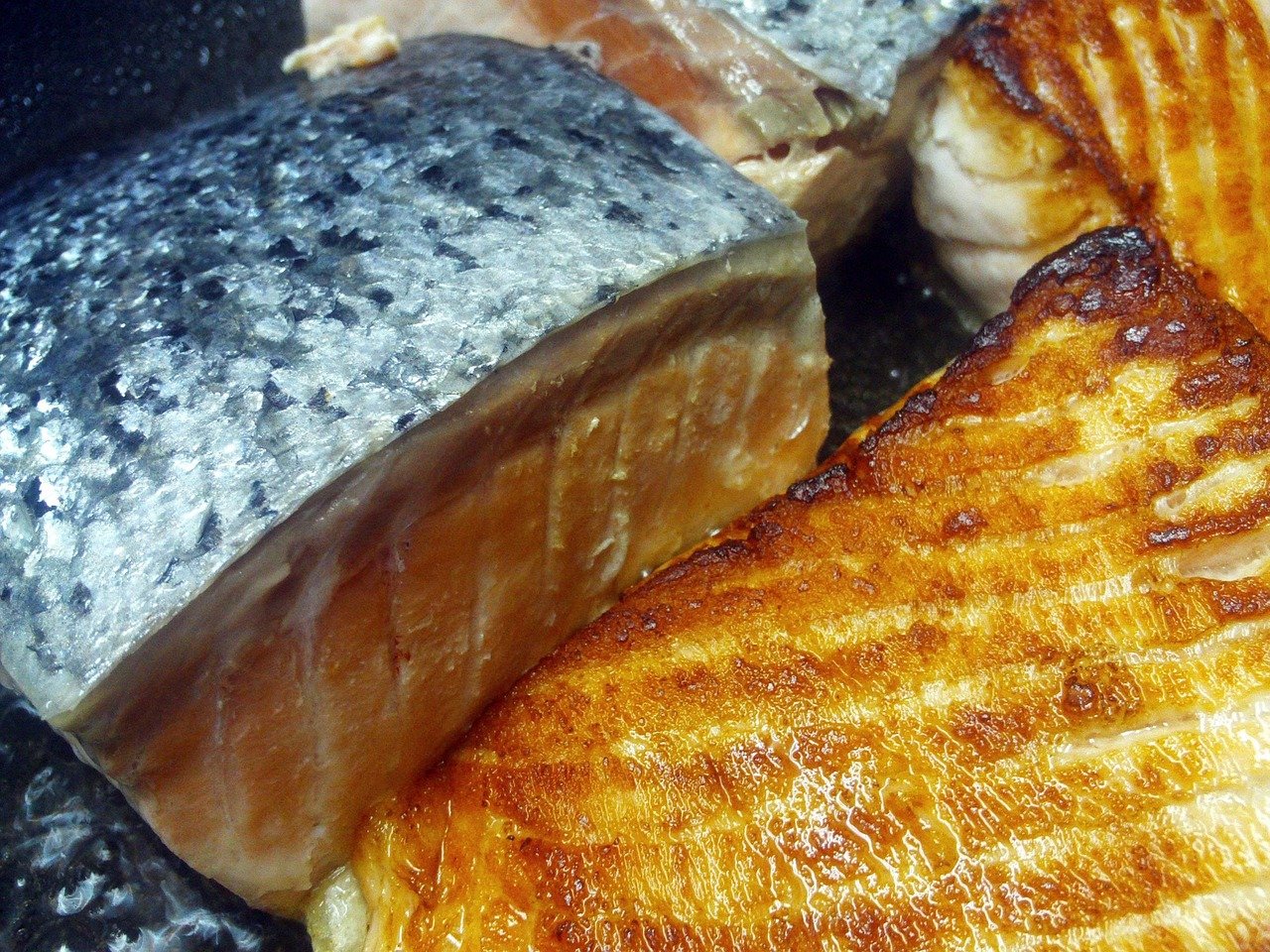
- Air fry for 6 to 8 minutes, shaking once. Cook at 400°F (200°C) for 6 to 8 minutes total, shaking the basket gently or turning the pieces halfway through, around the 3 to 4 minute mark. Thick Atlantic salmon cubes usually need the full 7 to 8 minutes. Leaner fish or smaller cubes may be done at 6. Look for edges that are deep golden and slightly crisp, a surface that looks opaque, and a center that is just barely translucent and flakes easily when pressed with a fork. The internal temperature should reach 125 to 130°F (52 to 54°C) for moist, medium salmon that will carry over a few degrees as it rests, or 145°F (63°C) if you prefer salmon fully cooked through, which is the USDA recommendation.
- Rest briefly and finish with lemon. Slide the bites onto a serving plate and rest for 2 minutes so the juices settle back into the flesh instead of running out onto the plate. Squeeze fresh lemon over the top, scatter with parsley or dill, and taste one piece. Add a pinch more salt if it needs it. Serve immediately while the edges are still crisp.
My Best Tips for Perfect Salmon Bites
Start with dry fish. I will say it again because it is that important. Thirty seconds with a paper towel is the difference between golden and soggy.
Do not skip the preheat. A cold basket adds a minute or two of steaming before browning begins, and with a fast-cooking protein like salmon, that minute matters.
Cut evenly, cook evenly. If you have a few much smaller pieces, tuck them toward the center of the basket where the heat is slightly gentler, or pull them out a minute early.
Shake, do not stir aggressively. Salmon is delicate once it starts to cook. A gentle shake halfway through is usually enough to expose new surfaces to the hot air without breaking the pieces apart.
Pull them a touch early. The bites keep cooking from their own heat after they leave the basket. If they look perfect in the basket, they will be slightly overdone on the plate. Remove them when the center still looks the tiniest bit glossy.
Season generously. Each bite is small, so the seasoning needs to carry the flavor. If you double the recipe, double the spices too.
On nights when I am building a full air fryer dinner, I often rotate proteins through the week — salmon bites one night, and something fun and crunchy for the kids another night, like the method I use for crispy homemade chicken nuggets in the air fryer, which uses the same hot, fast approach to get that golden finish without deep frying.
Common Mistakes to Avoid
Overcrowding the basket. Piling the bites on top of each other traps steam and leaves you with pale, soft fish. A single layer with breathing room is non-negotiable. Cook in batches if you need to — the second batch cooks even faster in an already-hot air fryer.
Overcooking. Salmon dries out quickly, and small pieces dry out fastest of all. Set a timer for 6 minutes and check. You can always add a minute, but you cannot take one away.
Marinating too long. Acidic marinades with lots of lemon juice or vinegar toughen the surface of fish if left for more than about 20 to 30 minutes. This recipe uses just a teaspoon of juice as a seasoning, not a soak, so the texture stays silky.
Skipping the oil. Without that thin coating the spices can taste dusty and the fish sticks and dries at the edges. A tablespoon across four servings is a small price for much better texture.
Forgetting to check for bones. Pin bones do not always get removed at the store. One quick pass with your fingertips while cubing saves everyone an unpleasant surprise at the table.
Easy Variations to Try
Once you have the basic method down, the seasoning is a blank canvas. Keep the oil, salt, time, and temperature the same, and swap the flavors:
Cajun salmon bites: Replace the spice blend with 2 teaspoons of Cajun seasoning and finish with a squeeze of lime. Serve with a cool ranch dip to balance the heat.
Garlic butter bites: Skip the paprika blend. Season with salt, pepper, and garlic powder, then toss the hot bites in a tablespoon of melted butter with extra garlic and parsley after cooking. Rich, classic, and wonderful over rice.
Asian-inspired bites: Season with salt, pepper, garlic powder, and a pinch of ground ginger. After cooking, toss with a glaze of 2 tablespoons low-sodium soy sauce, 1 tablespoon honey, and 1 teaspoon sesame oil warmed together, then sprinkle with sesame seeds and green onions.
Honey Dijon bites: Whisk 1 tablespoon Dijon mustard with 1 tablespoon honey and brush it over the bites during the last 2 minutes of cooking so it sets into a glossy, tangy coating without burning.
Lemon herb bites: Add lemon zest, dried oregano, and thyme to the rub. Finish with extra zest and dill. These are especially good cold on salads the next day.
Blackened bites: Increase the smoked paprika, add dried thyme, oregano, and extra cayenne, and let the edges get deeply browned for that classic blackened look.
Sweet chili bites: Cook the bites with just salt and pepper, then toss them warm in sweet chili sauce. They make an excellent appetizer with toothpicks and green onions.
Substitutions That Actually Work
Different fish: This method works with other firm fish. Try cubed cod, halibut, mahi-mahi, or large shrimp, adjusting the time down by a minute or two for shrimp and up slightly for very thick halibut.
Oil swaps: Avocado oil, grapeseed oil, or melted butter all work in place of olive oil. If you use butter, watch the bites closely in the last minute, since milk solids brown faster.
No brown sugar: Leave it out, or replace it with a pinch of coconut sugar or your preferred granulated sweetener. The bites will be slightly less caramelized but still delicious.
Fresh herbs: Dill, cilantro, chives, and basil all pair well with salmon. Use what you have, and add delicate herbs after cooking so they stay bright.
Frozen salmon: Thaw fillets overnight in the refrigerator, or use the cold-water method — sealed in a bag in a bowl of cold water for about an hour. Pat very dry before seasoning, since thawed fish releases extra moisture.
What to Serve With Salmon Bites
These bites fit into almost any meal. For a simple dinner, serve them over rice, quinoa, or couscous with a green vegetable on the side. Broccoli, green beans, asparagus, and zucchini all cook at similar temperatures, so you can run them through the air fryer right after the salmon. A drizzle of garlic aioli, tartar sauce, or yogurt-herb sauce ties the plate together.
For bowls, build a base of rice or greens, add the salmon, and pile on cucumber, carrots, edamame, avocado, and pickled onions with spicy mayo or sesame-ginger dressing. For salads, scatter the warm bites over Caesar, chopped salad, or arugula with lemon. For appetizers, serve them on a platter with toothpicks and dips — tartar, sriracha mayo, and lemon-dill yogurt cover all the bases.
On evenings when half the family wants fish and the other half wants comfort food, I like to pair these bites with something cozy and cheesy for the table to share, like my easy one-pot cheesy chicken pasta on the side for the non-fish eaters — everyone ends up happy, and I am not cooking two separate dinners from scratch.
How to Store, Freeze, and Reheat
Refrigerator: Cool the bites completely, then store in an airtight container in the refrigerator for up to 3 days. A paper towel in the bottom of the container absorbs extra moisture and helps the texture hold up.
Freezer: Freeze cooked bites in a single layer on a parchment-lined tray until solid, then transfer to a freezer bag with the air pressed out. They keep well for up to 2 months, though the texture softens slightly after thawing. Thaw overnight in the refrigerator before reheating.
Reheating in the air fryer (best method): Preheat to 350°F (175°C) and warm for 3 to 4 minutes until heated through and crisp again — far better than the microwave for texture.
Reheating in the oven: Warm on a baking sheet at 350°F (175°C) for 8 to 10 minutes. In the microwave, use 50 percent power in 30-second bursts; the fish will be softer, so use those leftovers in wraps or rice bowls.
Cold leftovers are also good — flake them into salads, fold them into scrambled eggs, or mix with mayo, lemon, and celery for a quick salmon salad sandwich.
Nutrition Information
The following is a rough home-kitchen estimate for one serving (about one-quarter of the recipe, roughly 4 ounces / 113 g cooked salmon with seasoning), and it will vary depending on the exact salmon you use and whether you include the optional sugar:
- Calories: approximately 280
- Protein: approximately 34 g
- Total fat: approximately 15 g
- Saturated fat: approximately 3 g
- Carbohydrates: approximately 1 g
- Fiber: 0 g
- Sugar: approximately 1 g (with the brown sugar)
- Sodium: approximately 340 mg
Salmon is naturally rich in omega-3 fatty acids, vitamin D, and B vitamins. Please treat these numbers as estimates for general guidance only, not medical or dietary advice.
Frequently Asked Questions
Do I need to remove the skin before making salmon bites?
Yes, skinless works best. Without skin, the seasoning coats every side of each cube and all the edges can crisp. If your fillet has skin, run a sharp knife between the flesh and skin while holding the skin taut, and it should come away in one piece.
How do I know when the salmon bites are done?
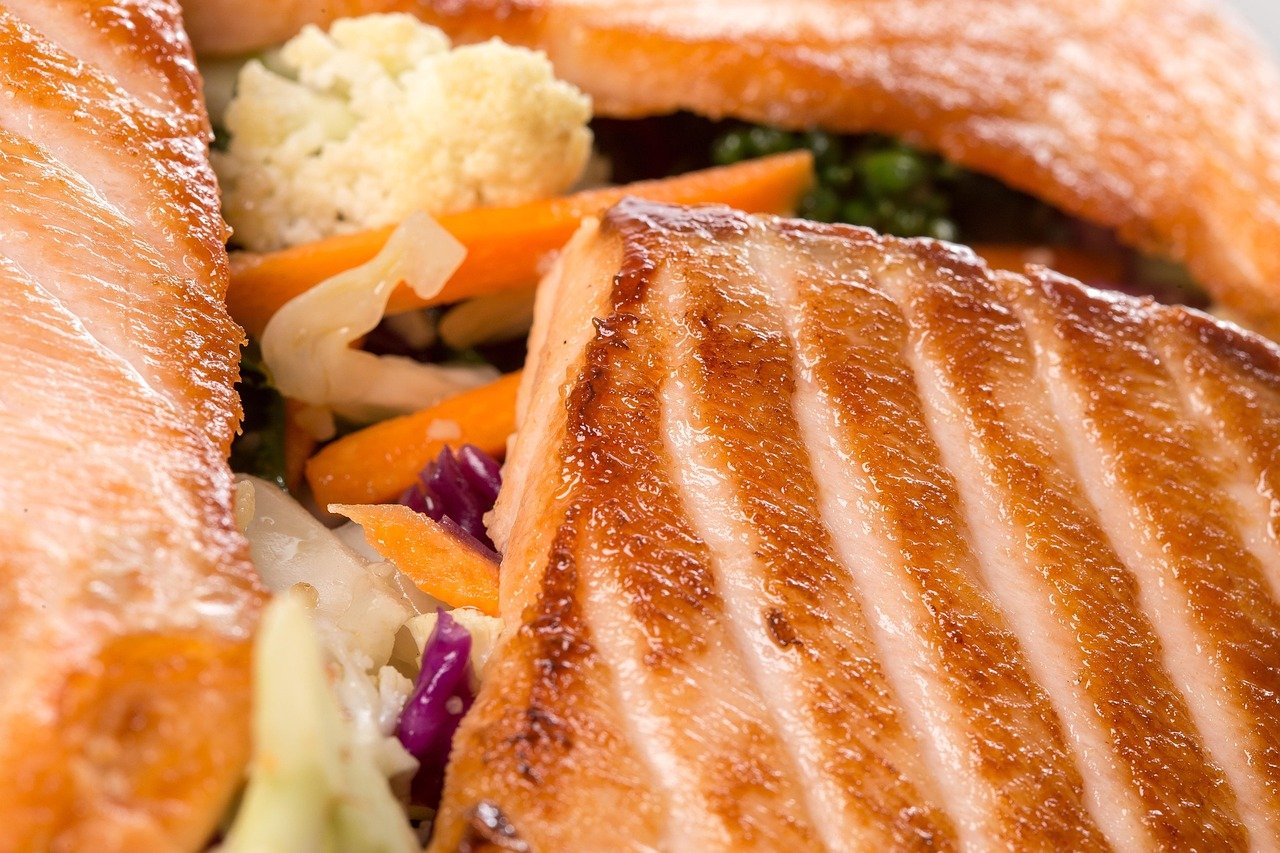
The bites should look opaque on the outside, flake easily when pressed gently with a fork, and still look moist in the center. A thermometer is the surest test: 125 to 130°F (52 to 54°C) gives you moist, medium salmon, while 145°F (63°C) is fully cooked through according to USDA guidance.
Can I make these salmon bites without oil?
You can, and they will still cook through, but the texture changes. Without oil the spices do not stick as well and the edges dry rather than crisp. A light coating from an oil spray gives you most of the benefit with very little oil overall.
Why are my salmon bites falling apart in the air fryer?
Salmon gets delicate as it cooks, so rough handling is usually the cause. Shake the basket gently instead of stirring, use tongs with a light touch, and make sure your cubes are not too small — pieces under an inch wide tend to crumble more easily.
Can I use frozen salmon for this recipe?
Yes. Thaw the fillets fully first, ideally overnight in the refrigerator, then pat them very dry before cubing and seasoning. Cooking directly from frozen leads to uneven results, with steamed outsides and cold centers, so the thaw is worth the planning.
What dipping sauce goes best with salmon bites?
A lemon-dill yogurt sauce is fresh and light, sriracha mayo brings gentle heat and creaminess, and classic tartar sauce is always welcome. Garlic aioli and sweet chili sauce are also excellent. Set out two options and let everyone pick.
Are salmon bites healthy?
Salmon is widely considered a nutritious protein, rich in omega-3 fats, high-quality protein, and vitamin D, and this method uses very little added oil and no breading. Healthiness depends on your overall diet and needs, so treat this as a wholesome home-cooked option rather than a health claim.
Can I cook salmon bites in the oven instead?
Absolutely. Spread the seasoned cubes on a parchment-lined baking sheet and bake at 425°F (220°C) for 10 to 12 minutes, turning once halfway. The edges will be a little less crisp than the air fryer version, but the flavor is just as good.
How do I keep the salmon from sticking to the basket?
Make sure the fish is oiled, the basket is preheated, and you give the bites a minute to set before shaking. If your air fryer is known for sticking, a light spray of oil on the basket or a perforated parchment liner made for air fryers solves the problem.
Can I double this recipe?
Yes, just cook it in two batches so each batch stays in a single layer. Keep the first batch warm in a low oven at 200°F (95°C) while the second cooks. Season all the salmon at once to keep things simple.
Conclusion
This recipe makes weeknights easier without making dinner feel like a compromise. Fifteen minutes, a handful of pantry spices, and one basket give you crisp-edged, juicy salmon that works as an appetizer, a main course, a salad topper, and tomorrow’s lunch. Make the classic version first, then try the variations — Cajun one week, honey Dijon the next. Grab a lemon, heat up the air fryer, and enjoy every golden bite.