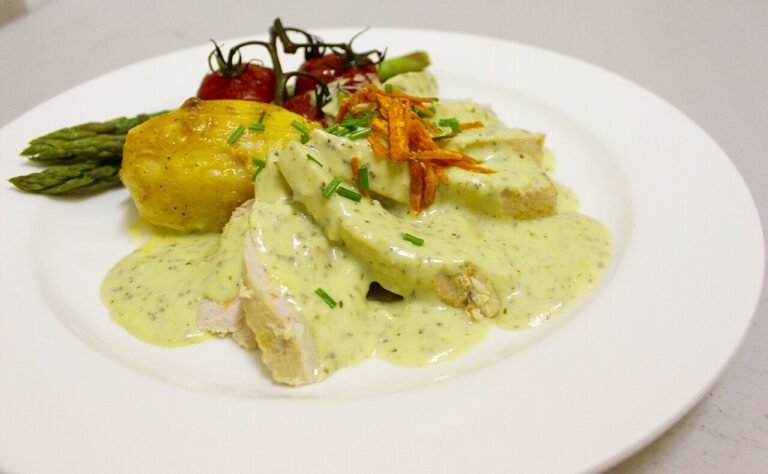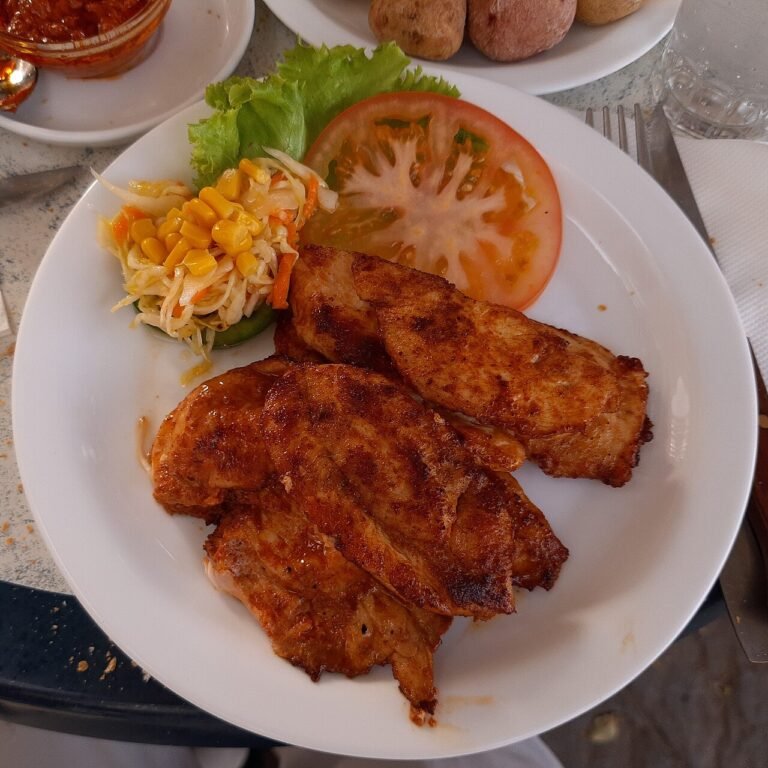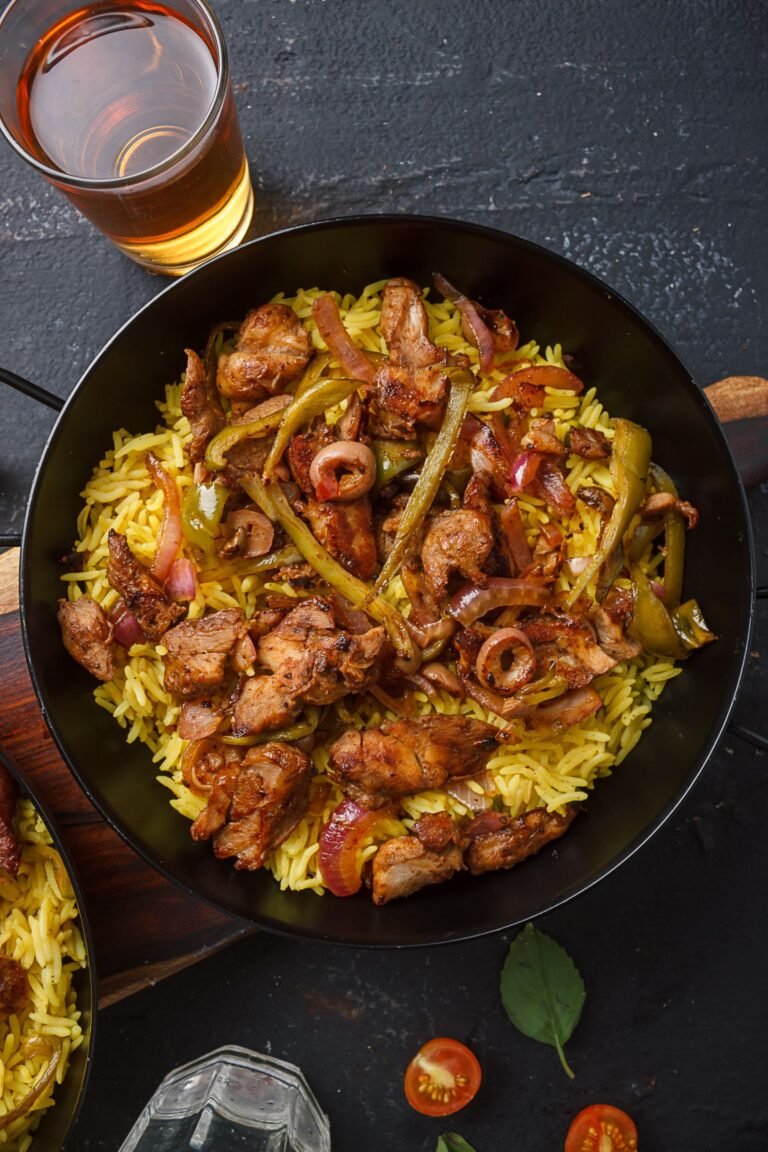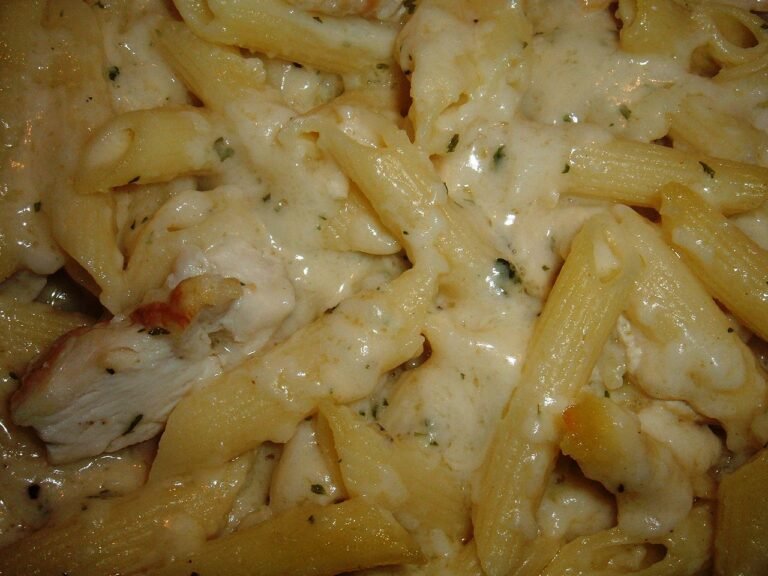
One Pot Cheesy Chicken Pasta (Creamy, Easy & Family-Friendly)
There are some dinners that just save the day, and this one pot cheesy chicken pasta is right at the top of that list. You know the kind of evening I mean — everyone is hungry, the clock is already past six, the sink is somehow already full, and you need something warm, filling, and comforting without cooking three different things in three different pans. This is that dinner. Tender pieces of chicken, pasta cooked right in a garlicky, creamy sauce, and plenty of melted cheese all come together in a single pot, and it tastes like you spent far more time on it than you actually did.
What I love most about this version is how balanced it feels. It is rich and cheesy, but not heavy or greasy. The sauce is silky because the pasta cooks in the broth and milk, releasing its starch as it simmers, so you get that lovely creamy coating without needing to make a separate sauce or use a mountain of cream. The chicken stays juicy because you give it a quick sear first for flavor, then let it finish gently in the sauce. And because everything happens in one pot, the flavors really mingle — the pasta soaks up the garlic, the paprika, and all that savory chicken goodness as it cooks.
This is a true family-friendly recipe, too. It is mild enough for kids, easy to tweak for picky eaters, and generous enough to feed hungry teenagers without doubling a bunch of separate components. If you are cooking for your family on a busy weeknight, meal prepping for a couple of days, or just craving a cozy bowl of something cheesy and satisfying for yourself, this one pot cheesy chicken pasta fits the moment perfectly. One pot, simple pantry ingredients, about 35 minutes from start to finish — and very few dishes to wash afterward, which might honestly be the best part.
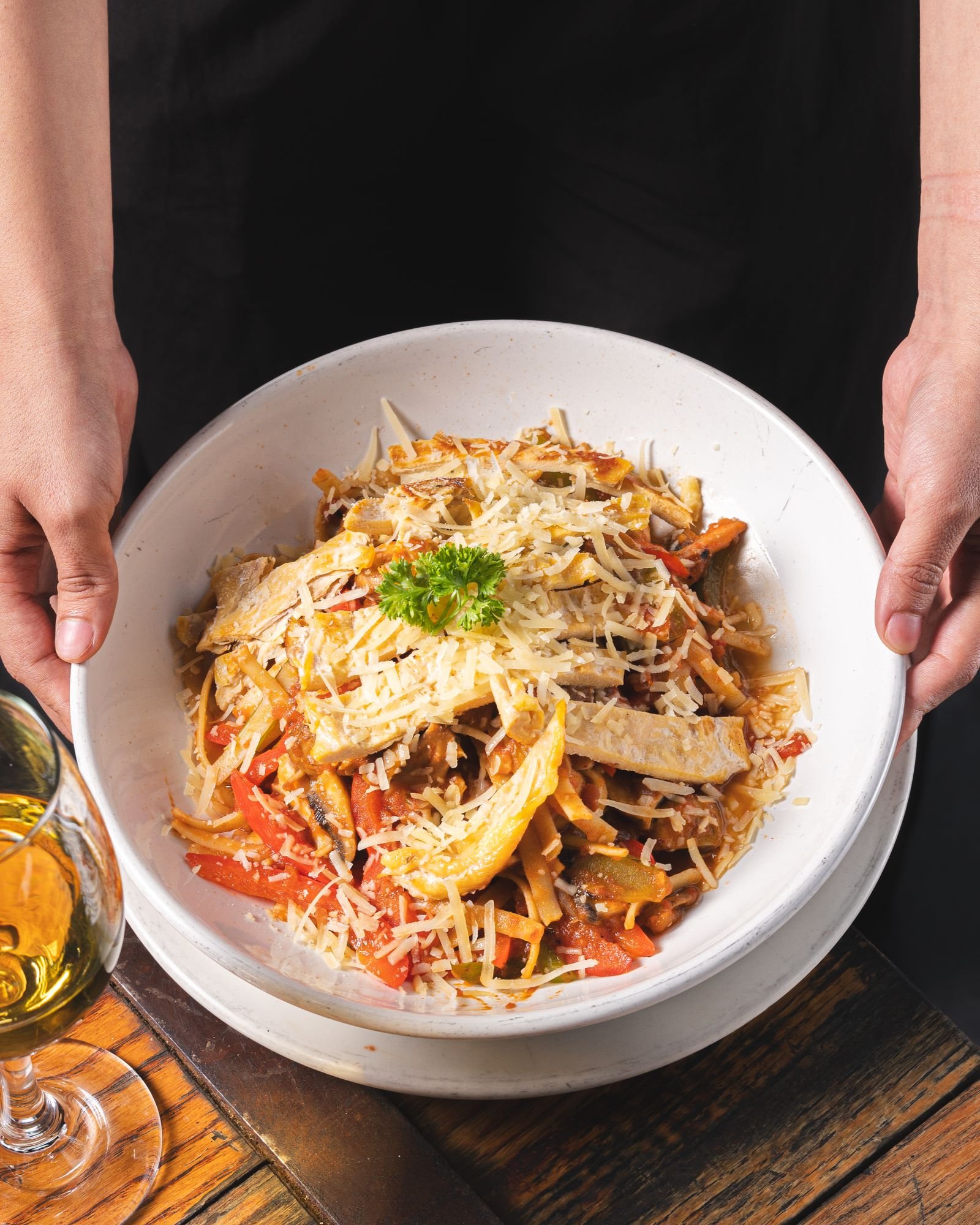
Why You’ll Love This Recipe
- Truly one pot: The chicken, pasta, and sauce all cook in the same pot, so cleanup is blissfully minimal.
- Ready in about 35 minutes: Fast enough for a weeknight, but tasty enough for a relaxed weekend dinner too.
- Creamy without being fussy: No separate roux, no complicated steps — the pasta starch does the work for you.
- Kid-approved flavor: Cheesy, garlicky, and mild, with easy ways to add a little heat for the adults at the table.
- Budget-friendly: Uses affordable, everyday ingredients you probably already have on hand.
- Easy to customize: Swap the cheese, add vegetables, change the pasta shape, or use leftover chicken — it is very forgiving.
- Great leftovers: It reheats beautifully for lunch the next day with just a splash of milk.
A Little Note Before You Start
If you have never made a one-pot pasta before, the method can feel a little strange at first. We are used to boiling pasta in a huge pot of water, draining it, and then tossing it with sauce. Here, you use just enough liquid to cook the pasta through, and you keep all of that starchy cooking liquid in the pot. That is the secret. That starch is what turns broth and milk into a sauce that clings to every bite instead of pooling thinly at the bottom of the bowl.
The other thing to know is that one-pot pastas love a little attention. You do not need to stand over the stove the whole time, but a stir every couple of minutes keeps the pasta from sticking to the bottom and helps it cook evenly. Think of it as a low-effort, high-reward kind of recipe — a few stirs, a little patience while the cheese melts, and dinner is done.
Ingredients
This recipe makes about 6 generous servings. It works best in a large, heavy pot or Dutch oven that can hold everything comfortably.
- 1 1/2 pounds (680 g) boneless, skinless chicken breast or chicken thighs, cut into 3/4-inch bite-size pieces — thighs stay a bit juicier, breasts are leaner; either works well here
- 1 tablespoon olive oil — for searing the chicken and building flavor at the base
- 1 tablespoon unsalted butter — adds richness and helps the garlic and onion soften beautifully
- 1 small yellow onion (about 1 cup / 150 g), finely diced — gives the sauce a gentle sweetness in the background
- 4 cloves garlic, minced — fresh garlic makes a big difference here; do not be shy with it
- 1 teaspoon Italian seasoning — a simple blend that brings oregano, basil, and thyme notes in one spoonful
- 1/2 teaspoon smoked paprika or sweet paprika — smoked paprika adds a subtle warmth and color
- 1/2 teaspoon garlic powder — layers in more garlic flavor throughout the sauce
- 3/4 teaspoon fine sea salt, plus more to taste — you will adjust at the end once the cheese goes in
- 1/2 teaspoon black pepper, freshly ground if you have it
- 12 ounces (340 g) short pasta, such as penne, rotini, or medium shells — short shapes cook evenly and hold the sauce well
- 3 cups (720 ml) low-sodium chicken broth — the main cooking liquid; low-sodium lets you control the salt
- 1 1/2 cups (360 ml) whole milk — creates the creamy base without needing heavy cream
- 4 ounces (115 g) cream cheese, cubed and softened — melts into the sauce for extra body and a slight tang; room temperature cubes melt much more smoothly
- 2 cups (about 8 ounces / 225 g) shredded cheese, divided — I like a mix of sharp cheddar for flavor and mozzarella for that lovely stretch; see the notes below
- 1/4 cup (25 g) grated Parmesan cheese, plus extra for serving — adds salty, nutty depth
- 2 cups (about 60 g) fresh baby spinach (optional) — wilts in at the end for color and a little freshness
- 2 tablespoons chopped fresh parsley, for garnish — brightens the whole dish right before serving
- Pinch of red pepper flakes (optional) — for anyone who likes a gentle kick
Notes on the Key Ingredients
The chicken: Cutting the chicken into similar-size pieces is more important than it sounds. If some pieces are tiny and others are big chunks, the small ones will dry out while the big ones are still finishing. Aim for roughly 3/4-inch cubes. Pat the chicken dry with a paper towel before it goes in the pot — dry chicken sears, wet chicken steams, and that golden sear is where a lot of your flavor comes from. If you prefer dark meat, thighs are wonderfully forgiving and stay tender even if they simmer a minute or two longer. And as always with chicken, you want it cooked to an internal temperature of 165°F (74°C).
The pasta: Short, sturdy shapes are your friend. Penne, rotini, fusilli, cavatappi, and shells all hold up well to simmering and catch the cheese sauce in their ridges and curves. Long pasta like spaghetti can work if you break it in half, but it is more prone to clumping in a one-pot method, so short pasta is the safer, easier choice. Regular wheat pasta works best here. Gluten-free pasta can be used, but it often needs slightly less liquid and a shorter simmer, and it can break down if overcooked, so keep a close eye on it in the last few minutes.
The cheese: Please, if you can, shred your cheese from a block. Pre-shredded cheese is coated with anti-caking powders that can make your sauce a little grainy and less melty. Freshly shredded cheddar melts into a smooth, glossy sauce, and it only takes two extra minutes. A 50/50 blend of sharp cheddar and low-moisture mozzarella is my favorite combination — cheddar brings the flavor, mozzarella brings the pull. Monterey Jack, Colby Jack, and Gruyère are all lovely here too. Just avoid very hard or very soft cheeses as your main cheese; save those for finishing.
The milk and cream cheese combo: Many creamy pastas rely entirely on heavy cream. This one uses milk plus a modest amount of cream cheese instead, which gives you a sauce that tastes indulgent but does not sit quite so heavy. The cream cheese also acts as a stabilizer, helping the sauce stay smooth when you add the shredded cheese. Make sure your milk is not skim — whole milk gives the best body. 2% will work in a pinch, but the sauce will be a touch thinner.
Equipment
You do not need anything fancy for this recipe, which is part of its charm.
- Large Dutch oven or heavy-bottomed pot (at least 5 to 6 quarts) with a lid
- Cutting board and a sharp knife
- Wooden spoon or heatproof spatula for stirring and scraping the bottom
- Measuring cups and spoons
- Cheese grater, if shredding from a block
- Instant-read thermometer (optional but helpful for checking the chicken)
- Ladle or large spoon for serving
A heavy pot really does help here. Thin pots have hot spots that can scorch the milk and cheese on the bottom, while a heavy Dutch oven distributes the heat evenly and keeps the simmer gentle and steady.
Step-by-Step Instructions
1. Season and Sear the Chicken (About 6 to 7 Minutes)
Pat the chicken pieces dry and season them all over with half the salt, the black pepper, the paprika, and the garlic powder. Heat the olive oil in your pot over medium-high heat until it shimmers slightly. Add the chicken in a single layer as much as possible — if your pot is crowded, work in two batches rather than piling it all in, because crowding drops the temperature and the chicken will release liquid instead of browning. Let it cook undisturbed for 2 to 3 minutes so a golden crust can form, then stir and cook another 2 to 3 minutes until the pieces are mostly cooked through and lightly browned on several sides. The chicken does not need to be 100% done in the center at this point, since it will finish in the sauce, but it should be close. Transfer the chicken and any juices to a clean plate and set aside. Do not wipe out the pot — those browned bits on the bottom are pure flavor.
2. Soften the Onion and Garlic (About 3 to 4 Minutes)
Reduce the heat to medium and add the butter to the same pot. Once it melts, add the diced onion with a small pinch of salt. Cook, stirring occasionally and scraping up the browned bits from the chicken as the onion releases its moisture, for about 3 minutes, until the onion is soft and translucent. Add the minced garlic and Italian seasoning and cook for just 30 to 45 seconds, stirring constantly, until fragrant. Garlic burns quickly, so do not walk away here — you want it golden and aromatic, not dark and bitter.
3. Add the Pasta and Liquids (About 2 Minutes)
Pour in the chicken broth and milk, and give everything a good stir, making sure to scrape the bottom of the pot thoroughly so nothing is stuck down there. Add the uncooked pasta and the remaining salt, and stir well so the pasta is as submerged as possible. The liquid should just about cover the pasta — a few tips poking out are fine, they will settle as it cooks. Bring the mixture to a gentle boil over medium-high heat. As soon as you see steady bubbles, reduce the heat to medium-low so it holds a lively simmer rather than a hard, rolling boil. A hard boil can make the milk separate and can break your pasta, so gentle is the goal.
4. Simmer the Pasta Until Tender (About 10 to 12 Minutes)
Cover the pot with the lid slightly ajar and let the pasta simmer for 10 to 12 minutes, stirring every 2 to 3 minutes. This stirring is important for two reasons: it prevents the pasta from settling and sticking to the bottom, and it helps release starch evenly so your sauce thickens smoothly. Start checking the pasta at the 9-minute mark. You want it just shy of perfectly tender — what most people call al dente — because it will continue to soften a little in the hot sauce and while the cheese melts. The liquid in the pot should have reduced and thickened noticeably at this point, looking like a loose sauce rather than soup. If the pasta has absorbed a lot and the pot looks dry before the pasta is tender, splash in 1/4 cup of extra broth or milk at a time. If it still looks quite soupy when the pasta is nearly done, simply simmer uncovered for an extra minute or two.
5. Return the Chicken to the Pot (About 2 to 3 Minutes)
Stir the seared chicken and any accumulated juices on the plate back into the pot. Let everything simmer together for 2 to 3 minutes, stirring gently, until the chicken is fully cooked through. If you are using a thermometer, the largest piece should read 165°F (74°C). This step also lets the chicken soak up some of that creamy, garlicky flavor, which makes a real difference in the final dish — the chicken tastes like part of the pasta, not just something tossed on top.
6. Make It Cheesy (About 2 to 3 Minutes)
Turn the heat down to low — or even take the pot off the heat entirely. This matters: cheese added to a furiously bubbling sauce can turn grainy or stringy. Add the cubed cream cheese first and stir until it has mostly melted into the sauce. Then add the shredded cheese a handful at a time, stirring well after each addition and letting each handful melt before adding the next. Stir in the Parmesan last. You should end up with a glossy, creamy sauce that coats the back of a spoon and clings to the pasta. If the sauce feels too thick, loosen it with a splash of warm milk, one tablespoon at a time. If you are adding spinach, now is the moment — stir it in and let it wilt for about 1 minute in the residual heat.
7. Rest, Taste, and Serve (About 3 to 5 Minutes)
Cover the pot and let the pasta rest off the heat for 3 to 5 minutes. It might seem like a small step, but this rest lets the sauce thicken to its final, perfect consistency and gives the pasta a chance to absorb a little more flavor. Then taste — this is your moment to adjust. Need more salt? A pinch more pepper? A squeeze of lemon (a lovely trick, honestly) to brighten it? Add it now. Sprinkle the top with fresh parsley and a little extra Parmesan, and serve it straight from the pot at the table if you like. There is something so welcoming about bringing the whole pot to the table and letting everyone serve themselves.
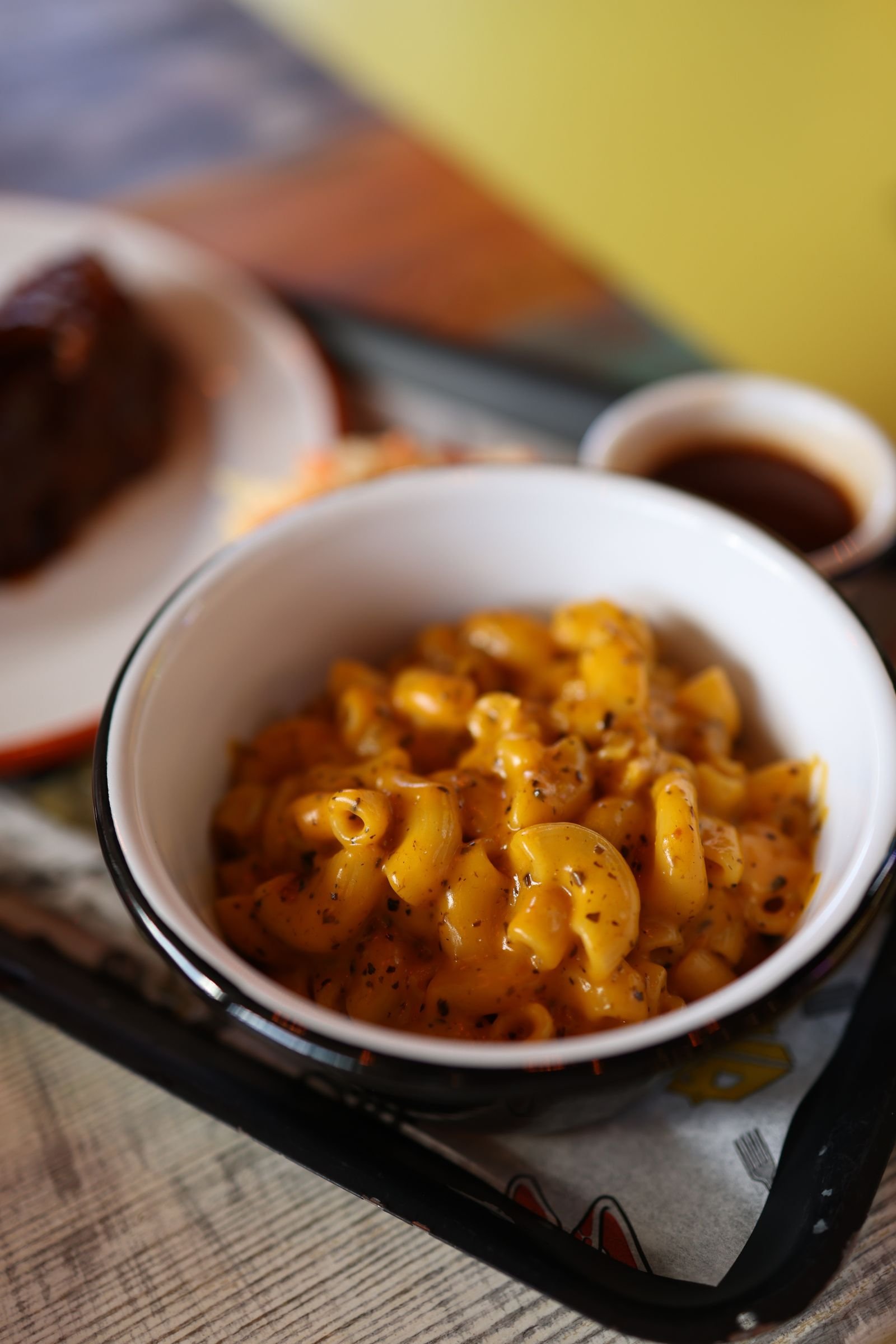
My Best Tips for Perfect One Pot Cheesy Chicken Pasta
Do not rush the sear. Those golden edges on the chicken are not just for looks — they build the savory base of the whole dish. Dry chicken, hot oil, and a little patience before you start stirring will reward you every time.
Stir on a schedule. Set a little mental rhythm: simmer, stir, simmer, stir. One-pot pasta sauces can catch on the bottom, especially once the milk goes in, and regular stirring is the simple fix.
Add cheese off a hard boil. This is the single most common reason a cheese sauce turns grainy. Low heat, gradual additions, and constant gentle stirring give you smooth, silky results.
Cook the pasta slightly under. Remember it keeps cooking in the hot sauce during the rest. Pulling it at just-tender rather than soft keeps the texture pleasant instead of mushy, especially important if you plan to reheat leftovers.
Season in layers, taste at the end. Cheese and broth both bring salt, so your final adjustment should happen after everything is in. A last pinch of salt or a crack of pepper at the end can wake the whole pot up.
Warm your milk slightly if your kitchen is cold. Very cold milk added to a hot pot can occasionally look curdled at first glance. It usually smooths out as it heats, but letting the milk sit on the counter for 15 minutes while you prep takes away any worry.
Common Mistakes to Avoid
- Using too much liquid: It is tempting to add extra broth “just in case,” but too much leaves you with soup instead of sauce. You can always add a splash later; taking liquid away is much harder.
- Boiling hard the whole time: A violent boil can split the dairy and overcook the pasta edges while the centers stay firm. Keep it at a steady, gentle simmer.
- Dumping all the cheese in at once: A giant mound of cold cheese can clump and seize. Handful by handful is the way.
- Skipping the scrape: If you do not scrape the bottom after adding liquid, the browned bits and later the pasta can stick and scorch, giving the sauce a burnt undertaste.
- Overcooking the chicken at the sear: Remember it goes back into hot sauce later. If you cook it completely hard at step one, it can end up dry by serving time. Golden outside, just about done inside is perfect.
Easy Substitutions That Actually Work
One of the reasons this recipe stays in my regular rotation is how flexible it is. Life happens — you are missing an ingredient, someone at the table avoids dairy, you have a rotisserie chicken that needs using up. Here is how to adapt it without losing the spirit of the dish.
Chicken swaps: Leftover or rotisserie chicken works beautifully. Skip the searing step, shred or dice about 3 cups of cooked chicken, and stir it in at step 5 just long enough to heat through. Turkey works the same way after a holiday. For a different protein altogether, try peeled shrimp — sear them for just 1 to 2 minutes per side and add them at the very end so they stay plump — or sliced smoked sausage, which needs no separate cooking and adds a wonderful smoky note.
Dairy adjustments: If you do not have cream cheese, you can leave it out and add an extra 1/2 cup of shredded cheese plus 2 tablespoons of butter for richness; the sauce will be a little less thick but still lovely. Heavy cream can replace some or all of the milk if you want an extra-decadent version — swap half the milk for cream to keep it balanced. For a lighter pot, 2% milk plus the cream cheese still gives a satisfying result.
Cheese changes: Almost any good melting cheese works. Pepper Jack brings gentle heat, Gruyère brings a sophisticated nuttiness that makes it feel dinner-party worthy, and a smoked cheddar gives the whole dish a cozy, almost barbecue-adjacent warmth. Just keep a portion of something melty like mozzarella or Monterey Jack in the mix for the best texture.
Pasta alternatives: Gluten-free short pasta works with a watchful eye, as mentioned earlier. Whole wheat penne adds a nutty flavor and extra fiber; give it 1 to 2 extra minutes of simmering and a small splash of extra broth. Small shapes like ditalini make it almost spoonable and soup-like, which younger kids often love.
Fun Variations to Try Next Time
Broccoli cheddar version: Stir in 2 cups of small broccoli florets during the last 4 minutes of the pasta simmer. They cook to a perfect bright green tender-crisp right in the sauce, and broccoli with cheddar is a combination nobody argues with.
Buffalo chicken style: Stir 2 to 3 tablespoons of your favorite hot sauce into the finished pasta, use Monterey Jack in place of the mozzarella, and finish with a drizzle of ranch or blue cheese dressing and sliced green onions. It tastes like game day in the best way.
Sun-dried tomato and spinach: Add 1/3 cup of chopped sun-dried tomatoes (the oil-packed kind, drained) with the garlic, keep the spinach, and swap the cheddar for an Italian blend. The tomatoes add little bursts of sweet-tart intensity that cut through the richness.
Cajun-inspired: Replace the Italian seasoning with 2 teaspoons of Cajun seasoning, add a diced bell pepper with the onion, and use pepper Jack cheese. Warm, a little smoky, and just spicy enough.
Veggie-loaded: Stir in a cup of frozen peas, a cup of sweet corn, or a handful of halved cherry tomatoes at the end. Frozen vegetables are a weeknight hero here — no chopping, and they thaw in the hot sauce in a minute or two.
If your family is anything like mine, a pot of this disappears fast — and on the nights when chicken is requested in a different form entirely, our other weeknight favorite is these crispy homemade chicken nuggets in the air fryer, which the kids ask for by name and which pair with the same kind of simple, everyone-is-happy energy at the table.
What to Serve With It
Honestly, this pasta is a complete meal on its own — protein, pasta, sauce, and even vegetables if you add the spinach. But a fresh, crisp side balances the richness beautifully and makes the meal feel a little more special.
A simple green salad with a lemony vinaigrette is my first choice. The acidity cuts through the cheese and refreshes your palate between bites. Garlic bread or warm crusty rolls are wonderful for swiping up every last bit of sauce from the bowl — do not skip this if you have bread lovers at the table. Steamed or roasted green beans, a tray of roasted broccoli, or simple glazed carrots all sit happily alongside. For something a little brighter, a tomato and cucumber salad with red onion and a pinch of oregano feels fresh and summery next to the cozy pasta.
And while we are planning the easy meals around this one, I will add that mornings after a big cozy dinner call for something equally low-effort, which is exactly why I keep a jar of overnight oats without yogurt ready in the fridge — you stir them together the night before and breakfast is simply done when you wake up, no cooking and no fuss.
How to Store, Freeze, and Reheat
In the fridge: Let the pasta cool for no more than an hour at room temperature, then transfer it to an airtight container and refrigerate for up to 3 to 4 days. The sauce will thicken considerably as it chills because the pasta keeps absorbing liquid — that is completely normal.
Reheating on the stove (best method): Place the pasta in a pot over medium-low heat with 2 to 3 tablespoons of milk or broth per serving. Stir gently and often as it warms, about 5 to 7 minutes, until it is steaming hot throughout and the sauce has loosened back into creaminess. The extra liquid is the whole trick — reheated without it, the pasta tastes dry even though there is plenty of cheese in there.
Reheating in the microwave: Put a portion in a microwave-safe bowl, splash in a tablespoon or two of milk, and cover loosely. Heat in 1-minute bursts, stirring between each, until hot. Stirring in the middle matters because microwaves heat unevenly, and you want the chicken piping hot all the way through.
Freezing: You can freeze this pasta, with the honest caveat that creamy sauces and cooked pasta change texture a bit after thawing — the pasta softens and the sauce can separate slightly. If you want to freeze it, undercook the pasta by a minute, cool the dish completely, and freeze it in portions in freezer-safe containers for up to 2 months. Thaw overnight in the fridge, then reheat gently on the stove with extra milk, stirring well to bring the sauce back together. For meal prep, honestly, the fridge version within 3 to 4 days gives the best eating experience.
Food safety note: Reheat leftovers until steaming hot throughout, ideally to 165°F (74°C), and only reheat the portion you plan to eat rather than the whole batch repeatedly.
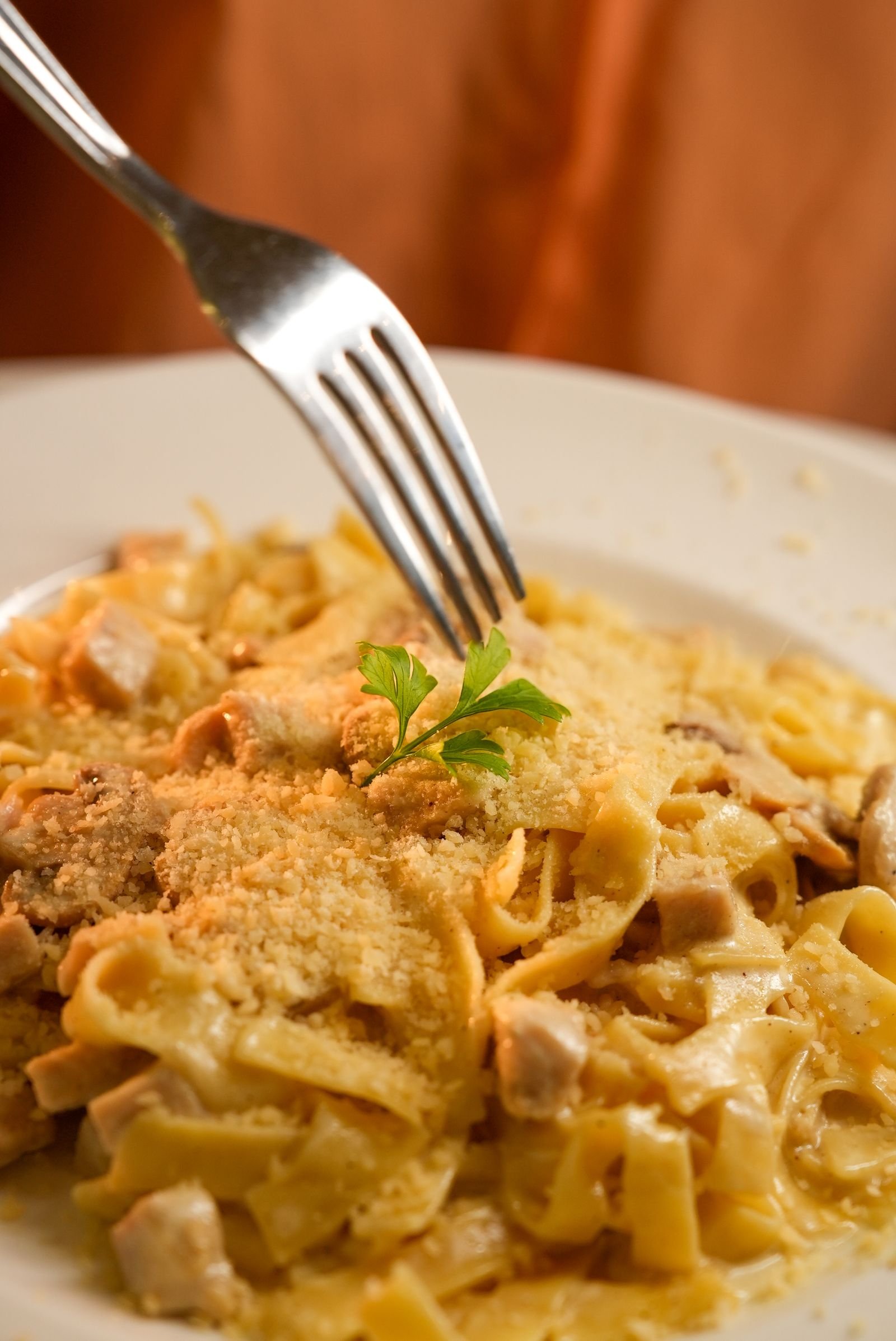
Nutrition Information
The numbers below are rough home-kitchen estimates for one serving, based on this recipe making 6 servings, using chicken breast, whole milk, and a cheddar-mozzarella blend. Your actual values will vary depending on the exact cheese, pasta, and chicken you use, and whether you add the optional spinach and garnishes.
- Calories: approximately 590 kcal
- Protein: approximately 42 g
- Carbohydrates: approximately 52 g
- Fat: approximately 23 g
- Saturated fat: approximately 11 g
- Fiber: approximately 3 g
- Sugar: approximately 6 g
- Sodium: approximately 720 mg
These figures are estimates provided for general guidance only and are not calculated by a nutrition professional. If you need precise nutrition information for medical or dietary reasons, please calculate it using the specific products you use or consult a registered dietitian. To lighten the dish, you can use part-skim mozzarella, reduce the cheddar slightly, choose 2% milk, and load in extra vegetables — it will still be creamy and satisfying.
Frequently Asked Questions
Can I use rotisserie chicken instead of raw chicken?
Yes, absolutely, and it makes this an even faster dinner. Use about 3 cups of shredded or diced cooked rotisserie chicken. Skip the searing step, build the sauce base with the onion and garlic, cook the pasta in the broth and milk, and then stir the cooked chicken in during the last 2 to 3 minutes just to heat it through. Because rotisserie chicken is already seasoned, taste carefully before adding extra salt at the end.
Why did my sauce turn out grainy?
Grainy sauce almost always comes down to heat and cheese choice. If the sauce is boiling hard when the cheese goes in, the proteins can seize and turn grainy, and pre-shredded cheese with anti-caking coatings melts less smoothly than freshly shredded. Next time, take the pot off the heat or set it to the lowest setting, and add freshly shredded cheese a handful at a time, stirring between additions. A little cream cheese in the base, as this recipe uses, also helps keep everything silky.
Can I make this without cream cheese?
You can. The cream cheese adds body and a gentle tang, but it is not essential. Leave it out and add an extra 1/2 cup of shredded cheese and, if you like, a tablespoon of butter stirred in at the end. The sauce will be slightly thinner, so let the pasta rest a few extra minutes before serving to give it time to thicken up around the pasta.
What is the best pasta shape for one pot cheesy chicken pasta?
Short, sturdy shapes with ridges or curves win every time — penne, rotini, fusilli, cavatappi, and medium shells are all excellent. They cook evenly in the simmering liquid and trap the cheese sauce in their nooks. Avoid very small pasta that can turn mushy quickly, and be a little cautious with long strands, which tend to clump together in a one-pot method unless you stir very frequently.
How do I keep the pasta from sticking to the bottom of the pot?
Three things help: use a heavy-bottomed pot that spreads heat evenly, keep the simmer gentle rather than boiling hard, and stir every 2 to 3 minutes, making sure your spoon reaches and scrapes the bottom. Also make sure the pasta starts out mostly submerged in liquid. Once you build that little stirring rhythm into the cooking time, sticking stops being a problem.
Can I add vegetables to this recipe?
Please do — it is one of the best ways to make this dish your own. Broccoli florets added in the last 4 minutes, peas or corn stirred in at the end, spinach wilted in with the cheese, diced bell peppers softened with the onion, and mushrooms sautéed after the chicken all work beautifully. Just keep pieces small so they cook in the same timeframe as the pasta, and avoid adding very watery vegetables in large amounts, which can thin the sauce.
Is this recipe spicy? Can I make it spicier or milder?
As written, it is mild and family-friendly, with warmth from paprika and black pepper but no real heat. To make it spicier, add red pepper flakes, a diced jalapeño with the onion, pepper Jack cheese, or a few dashes of hot sauce at the end. To keep it extra mild for young children, use sweet paprika instead of smoked, skip the red pepper flakes entirely, and stick with a mild cheddar.
Can I make this ahead of time for guests?
You can make it a few hours ahead and reheat it gently on the stove with extra splashes of milk, and it will still be delicious. That said, one-pot pasta is at its absolute best within about 20 minutes of cooking, when the sauce is at peak creaminess and the pasta texture is perfect. If I am hosting, I prep everything in advance — chicken cut, onion diced, cheese shredded — so the actual cooking is quick and relaxed, and I serve it fresh from the pot.
My pasta absorbed all the liquid but is still firm. What should I do?
Just add more liquid, a little at a time. Splash in 1/4 cup of warm broth or milk, stir, cover, and simmer another 2 to 3 minutes, then check again. Pasta brands and shapes absorb liquid at slightly different rates, and stovetops vary too, so small adjustments are completely normal with one-pot recipes. It is not a mistake — it is just the nature of cooking pasta this way.
Can I use a different milk or make it dairy-free?
Whole milk gives the creamiest result, and 2% works fine with a slightly lighter sauce. For a dairy-free version, use an unsweetened, unflavored plant milk with some body, such as oat milk, swap the butter for olive oil, and use your favorite dairy-free cream cheese and melting cheese alternatives. Be honest with yourself about expectations: the sauce will taste different and may be a bit less rich, but with good seasoning and the garlic-paprika base, it can still be a genuinely tasty dinner.
Conclusion
If you take one recipe from this week and actually make it, let it be this one pot cheesy chicken pasta. It is the kind of dinner that asks very little of you — one pot, simple ingredients, half an hour — and gives back a whole lot: juicy chicken, tender pasta, and a creamy, garlicky cheese sauce that everyone at the table will want seconds of. It works on the busiest Tuesday and the laziest Sunday alike, it adapts to whatever you have in the fridge, and the leftovers (if there are any) make tomorrow’s lunch something to look forward to.
Make it once as written so you know the rhythm of it, then start playing — the broccoli version, the Buffalo version, the one where you use up that leftover turkey. That is how a recipe becomes a family staple. I hope it earns a regular spot in your kitchen, and I hope it makes at least one hectic evening feel a whole lot easier. Happy cooking, and enjoy every cheesy bite.