
Creamy Chicken Pasta Without Cream (Rich, Easy & Delicious)
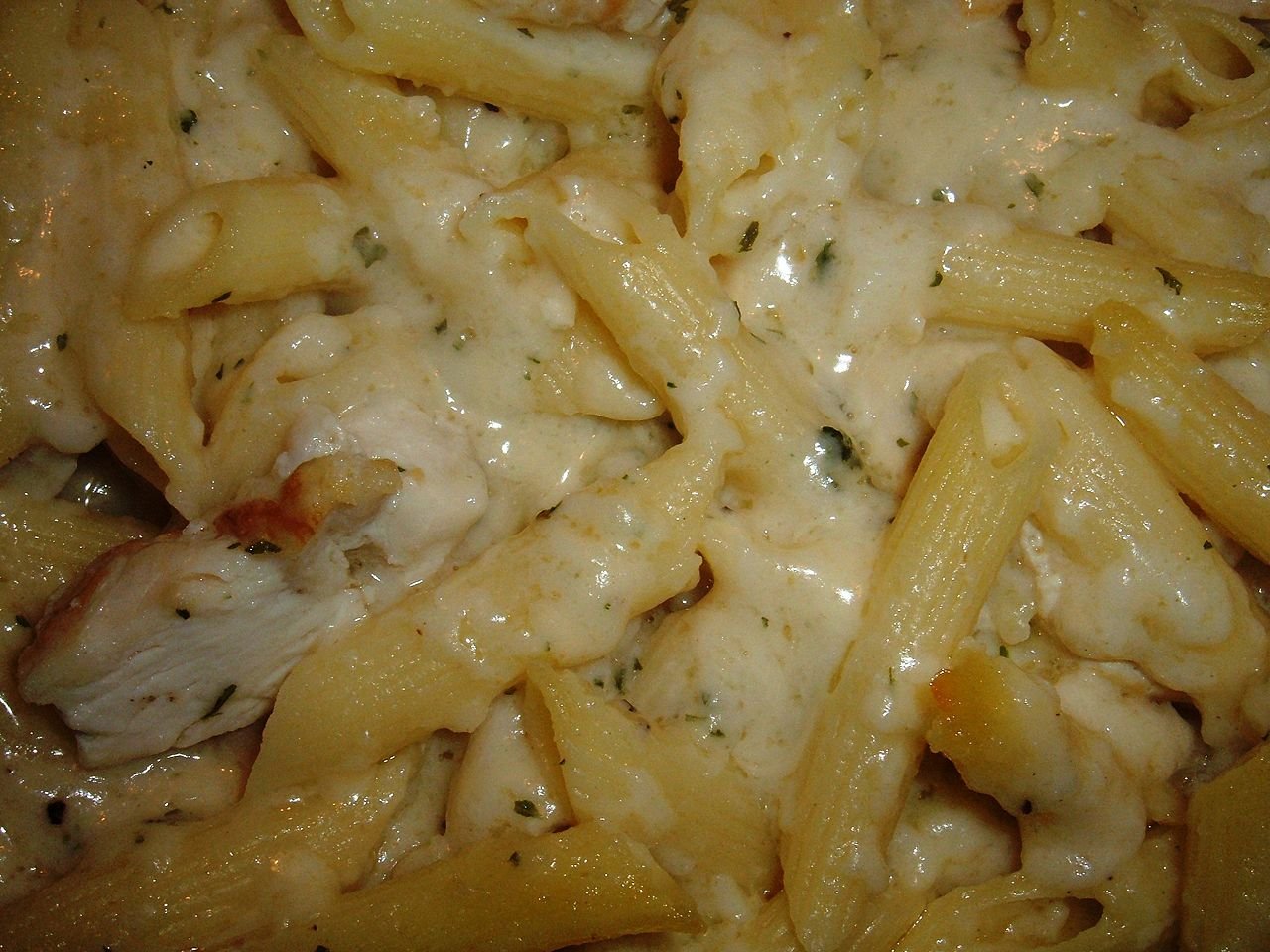
There are some dinners that just feel like a hug in a bowl, and a big pan of creamy chicken pasta is right at the top of that list. Tender pieces of golden chicken, pasta coated in a silky, garlicky sauce, a shower of Parmesan on top — it is the kind of meal everyone at the table gets quiet for on the first bite. The only problem? Most versions rely on a full carton of heavy cream, and if you do not have any in the fridge, or you are trying to cook a little lighter during the week, that can feel like a dealbreaker. It is not. This creamy chicken pasta without cream gives you every bit of that cozy, rich flavor without a single drop of heavy cream.
So how does it work if there is no cream in the pan? The secret is a simple, old-fashioned technique that good home cooks have used forever: a light roux made with butter and flour, loosened with chicken broth and milk, and finished with cheese. The flour thickens the milk into a proper sauce that clings to the pasta instead of pooling at the bottom of the bowl. A little cream cheese — just a few spoonfuls — melts in at the end for body and a gentle tang, and freshly grated Parmesan brings the salty, savory depth that makes the sauce taste like it simmered all afternoon. Starchy pasta water, saved before you drain the pot, ties everything together into something glossy and smooth.
This is a weeknight recipe through and through. It uses ingredients most of us already have, it comes together in about 40 minutes, and it all happens in one large skillet plus the pasta pot. It is perfect for busy families, for beginner cooks who want a reliable creamy pasta that will not split or turn greasy, and for anyone who has ever opened the fridge, seen an empty cream carton, and almost given up on pasta night. Once you learn this method, you will reach for it again and again — with different vegetables, different proteins, different cheeses — because the base is that dependable.
Why This One Will Earn a Spot in Your Rotation
- No heavy cream needed: The sauce gets its richness from milk, a simple roux, cream cheese, and Parmesan, so you can make it with everyday fridge staples.
- Rich but not heavy: You get a sauce that tastes indulgent and coats every bite, without that weighed-down feeling a cream-heavy pasta can leave behind.
- Weeknight friendly: About 15 minutes of prep and 25 minutes of cooking, with straightforward steps and no fancy equipment.
- One sauce, endless variations: Add mushrooms, spinach, sun-dried tomatoes, peas, or a pinch of Cajun seasoning and it becomes a whole new dinner.
- Kid-approved and company-worthy: Mild, cheesy, and comforting enough for picky eaters, but tasty enough to serve to friends with a green salad and garlic bread.
- Reliable texture: The roux-based sauce reheats far better than many cream sauces and is much less likely to split or turn oily.
Ingredients
This recipe serves 4 generous portions. Everything is listed in US measures, with metric equivalents where they help.
- 12 ounces (340 g) penne pasta — or rigatoni, fusilli, or rotini. Short shapes with ridges or tubes hold the sauce best. Save your pasta water; it is liquid gold for this sauce.
- 1 1/2 pounds (680 g) boneless, skinless chicken breasts — or boneless chicken thighs if you prefer darker, juicier meat. Cut into bite-size pieces, about 1-inch chunks, so they cook quickly and evenly.
- 1 teaspoon kosher salt, divided, plus more for the pasta water
- 1/2 teaspoon black pepper
- 1 teaspoon garlic powder
- 1 teaspoon Italian seasoning — a blend of oregano, basil, and thyme that gives the chicken that classic, herby flavor.
- 1/2 teaspoon smoked paprika — optional but lovely for color and a faint smoky warmth.
- 2 tablespoons olive oil — for searing the chicken. A neutral oil works too.
- 3 tablespoons unsalted butter — the base of the roux and the flavor foundation of the sauce.
- 4 cloves garlic, minced — fresh garlic makes a real difference here. That is about 1 1/2 tablespoons minced.
- 3 tablespoons all-purpose flour — this is what thickens the milk into a creamy sauce without cream. Do not skip it; it is doing the heavy lifting.
- 2 cups (480 ml) low-sodium chicken broth — adds savory depth so the sauce tastes like more than just milk and cheese.
- 1 1/2 cups (360 ml) whole milk — whole milk gives the best body. See the substitutions section if you only have 2% or a dairy-free option.
- 4 ounces (115 g) cream cheese, softened and cubed — just a quarter of a standard block per serving spread across the whole pan, but it makes the sauce taste lush and helps it stay smooth.
- 3/4 cup (75 g) freshly grated Parmesan cheese, plus more for serving — grate it yourself if you can. Pre-shredded cheese is coated to prevent clumping and does not melt as smoothly.
- 1/4 teaspoon ground nutmeg — optional, but a tiny pinch is a classic trick in white sauces. You will not taste nutmeg; you will just taste a sauce that seems richer.
- 2 cups (60 g) baby spinach — optional, stirred in at the end until just wilted. It adds color and an easy vegetable win.
- Fresh parsley, chopped, for garnish — and an extra pinch of red pepper flakes if you like a little heat.
A Few Notes on Key Ingredients
The milk and roux partnership: Milk on its own is too thin to coat pasta. When you whisk flour into melted butter and then pour the milk in slowly, the flour granules swell as the sauce heats and thicken it into something that behaves just like a cream sauce. The key is patience for about two minutes of whisking while it comes to a gentle bubble.
Why cream cheese works so well: Cream cheese is thick, mild, and melts beautifully. A small amount gives you the tang and body that people associate with cream, without needing cream at all. Let it soften at room temperature for 20 minutes so it melts without lumps.
Chicken choice matters: Breasts are lean and classic, thighs are more forgiving if you tend to overcook chicken. Either works. What matters most is cutting the pieces to a similar size and not crowding the pan when you sear them.
Equipment You Will Need
- Large pot for boiling pasta
- Large deep skillet or Dutch oven (a 12-inch skillet is ideal)
- Cutting board and sharp knife
- Measuring cups and spoons
- Whisk — essential for a lump-free sauce
- Wooden spoon or heatproof spatula
- Tongs or a slotted spoon
- Colander
- Cheese grater
- Instant-read thermometer, if you have one, for checking chicken doneness
Step-by-Step Instructions
1. Bring the pasta water to a boil
Fill a large pot with water, add a generous tablespoon of salt, and bring it to a rolling boil over high heat. Salting the water is your one chance to season the pasta itself, so do not be shy — it should taste pleasantly salty, like a mild soup. While the water heats, prep your chicken and measure out the sauce ingredients. Having everything ready makes the cooking calm instead of rushed.
2. Season and cut the chicken
Pat the chicken dry with paper towels. This small step matters more than people think: dry chicken browns, wet chicken steams. Cut it into even, bite-size pieces, then toss with 1/2 teaspoon of the salt, the black pepper, garlic powder, Italian seasoning, and smoked paprika until every piece is coated. Set it aside for a few minutes while the pan heats.
3. Cook the pasta until just shy of done
Add the penne to the boiling water and cook according to the package directions, but pull it out 1 minute early — it should be al dente, tender with a slight bite in the center. It will finish cooking in the sauce and soak up flavor as it does. Before you drain it, scoop out at least 1 cup of the hot, starchy pasta water and set it aside. Then drain the pasta and set it aside. Do not rinse it; that starch on the surface helps the sauce cling.
4. Sear the chicken until golden
Heat the olive oil in your large skillet over medium-high heat until it shimmers. Add the chicken in a single layer, leaving a little space between pieces. If your pan is smaller, work in two batches rather than piling it in. Let the chicken cook undisturbed for 3 to 4 minutes so a golden crust forms, then stir and continue cooking another 3 to 4 minutes, until cooked through and lightly browned all over. The internal temperature should reach 165°F (74°C) on an instant-read thermometer. Transfer the chicken to a clean plate and set aside. Those browned bits left in the pan are pure flavor — leave them right where they are.
5. Start the sauce with butter and garlic
Reduce the heat to medium. In the same skillet, melt the butter, scraping up the browned bits from the chicken as it melts. Add the minced garlic and cook for just 30 to 45 seconds, stirring constantly, until it smells wonderfully fragrant. Garlic burns quickly and turns bitter, so keep it moving and do not walk away.
6. Make the roux
Sprinkle the flour evenly over the butter and garlic. Whisk constantly for 1 to 2 minutes. The mixture will look like a bubbling paste and turn a very pale golden color. This cooking time removes the raw flour taste. It will smell faintly toasty and nutty — that is exactly what you want. If it starts browning fast, lower the heat a touch.
7. Whisk in the broth and milk
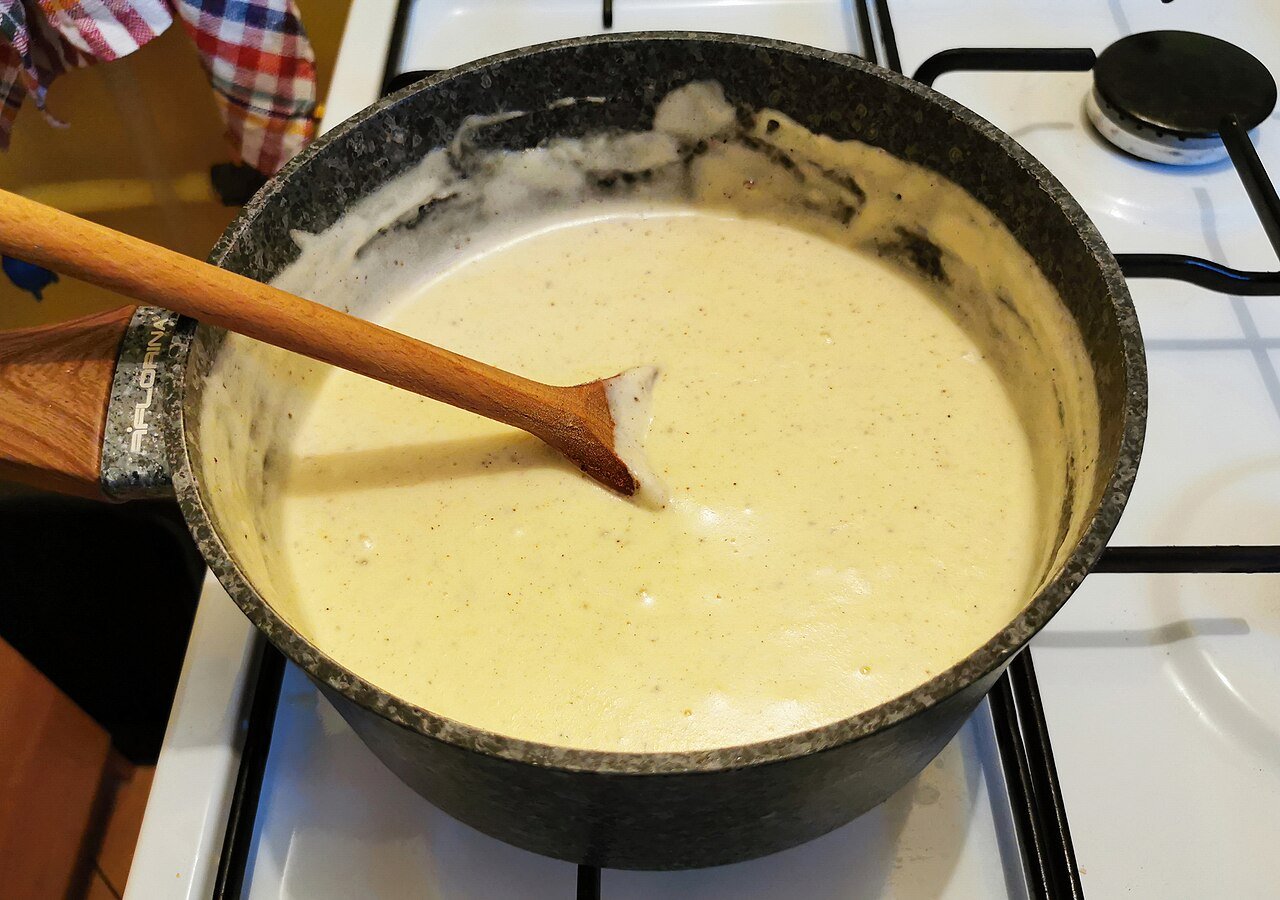
Now pour in the chicken broth slowly, about a half cup at a time, whisking vigorously after each addition. The first additions will make the roux seize into a thick paste; keep whisking and it will smooth out. Once the broth is in, stream in the milk the same way. Add the remaining 1/2 teaspoon salt and the pinch of nutmeg if you are using it. Bring the sauce to a gentle simmer over medium heat, whisking often, and cook for 3 to 4 minutes until it thickens enough to coat the back of a spoon. When you run your finger across the spoon, the line should hold for a second. It will still look a little thinner than the finished sauce — the cheese will thicken it further.
8. Melt in the cream cheese and Parmesan
Turn the heat down to low. Add the cubed cream cheese and whisk until it melts completely and the sauce looks silky, about 1 to 2 minutes. Remove the pan from the heat for a moment and stir in the grated Parmesan a handful at a time, letting each addition melt before adding the next. Taking the pan off the heat protects the cheese from getting grainy. Taste the sauce now — this is your moment to adjust the salt and pepper. Broth and Parmesan vary in saltiness, so your palate is the final judge.
9. Bring it all together
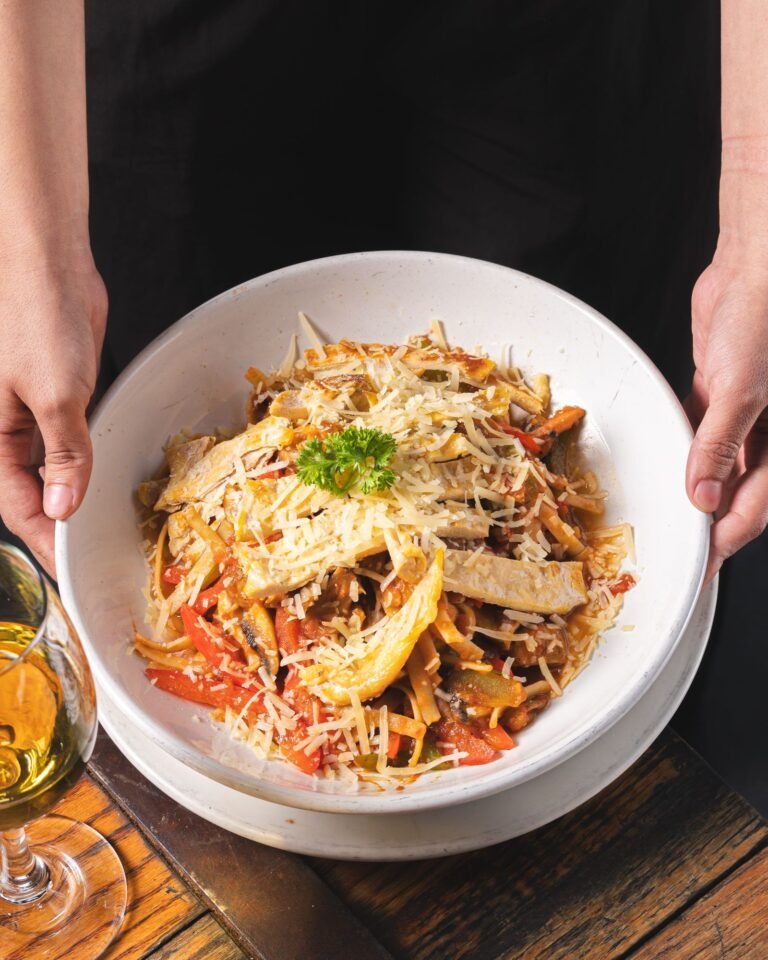
Return the cooked chicken — and any juices that collected on the plate — to the skillet, along with the drained pasta. Toss everything gently over low heat for 1 to 2 minutes, until the pasta is glossy and every tube is filled and coated. If the sauce feels thicker than you like, splash in the reserved pasta water a few tablespoons at a time until it loosens to a creamy, flowing consistency. If you are adding spinach, fold it in now and let the heat of the pasta wilt it for about 1 minute, just until it turns bright green and tender.
10. Rest, garnish, and serve
Take the pan off the heat and let it sit for 2 minutes. The sauce will settle and cling even better. Spoon the pasta into warm bowls, finish with extra Parmesan, a scattering of fresh parsley, and a pinch of red pepper flakes if you like. Serve right away while the sauce is at its silkiest.
Pro Tips for the Silkiest Sauce Without Cream
Warm your milk slightly. Cold milk straight from the fridge can make a roux sauce take longer to thicken and, on rare occasions, cause lumps. You do not need to heat it separately — just measure it out when you start cooking so it loses its deep chill on the counter.
Whisk like you mean it, especially at the start. The first minute after you add liquid to a roux decides whether your sauce is smooth or lumpy. Whisk in small circles, getting into the corners of the pan.
Grate your own Parmesan. It melts into a smooth sauce instead of leaving little gritty bits. The effort takes two minutes and the difference is night and day.
Keep the heat gentle once cheese is in. High heat is the enemy of cheese sauces. Boiling can make cheese turn stringy or grainy and can cause the sauce to separate. Low and slow at the end wins every time.
Use that pasta water generously. It is seasoned, starchy, and hot — the perfect tool for adjusting consistency without diluting flavor. Professionals rely on it for a reason.
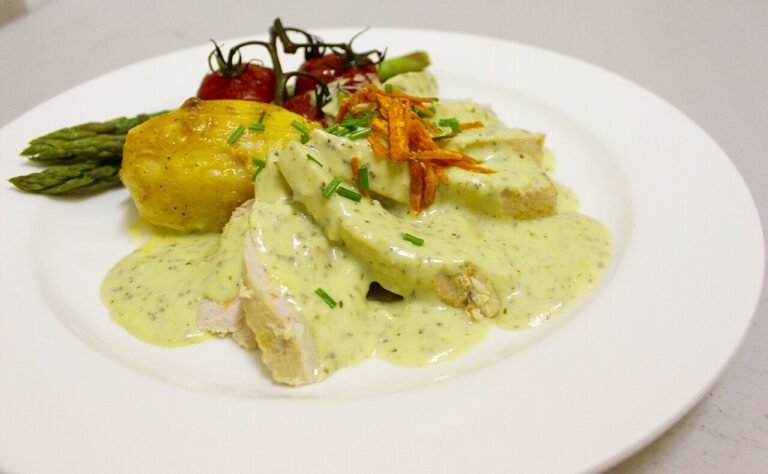
Slice chicken against the grain if you cook it whole. If you prefer to sear whole breasts and slice them to fan over the top, that is beautiful for guests. Just rest the chicken for 5 minutes before slicing so the juices stay in the meat.
Common Mistakes to Avoid
One of the most common issues is rushing the roux. If you add the liquid before the flour has cooked for a full minute, the finished sauce can taste faintly pasty. Give it its moment. Another is dumping all the milk in at once and then wondering why there are lumps — gradual additions plus constant whisking prevent that almost every time. If you do end up with a few lumps, do not panic: whisk hard while the sauce simmers, and most will dissolve. A quick pass with an immersion blender, before the cheese goes in, fixes a stubborn batch.
Overcooking the chicken is another easy trap. Because the pieces are small, they cook fast, and dry chicken will not be rescued by even the best sauce. Pull it as soon as it hits 165°F (74°C) and let the carryover heat do the rest. Finally, resist the urge to rinse your pasta or skip saving the pasta water. Both habits wash away the starch that helps this lighter sauce coat beautifully.
Easy Substitutions That Still Work
No whole milk? Two percent milk works, though the sauce will be a touch less rich — an extra tablespoon of cream cheese compensates nicely. For a dairy-free version, use an unsweetened oat milk or cashew milk that is labeled suitable for cooking, swap the butter for olive oil, use a dairy-free cream cheese, and finish with nutritional yeast or a dairy-free Parmesan alternative. The method stays exactly the same.
No cream cheese? Mascarpone is a lovely swap if you have it. Greek yogurt can work too, but handle it carefully: take the pan completely off the heat, stir a spoonful of hot sauce into the yogurt to warm it, then stir it back in at the very end and do not boil it afterward, or it may curdle. Blended cottage cheese is another high-protein option that melts into the sauce surprisingly smoothly.
Gluten-free? Use your favorite gluten-free short pasta and swap the all-purpose flour for a 1-to-1 gluten-free flour blend. The roux method works the same way. Cornstarch is a backup: skip the flour and whisk 1 1/2 tablespoons cornstarch into a splash of cold milk, then stir that slurry in at the end and simmer briefly until thickened.
Different protein? This sauce is a friendly home for shrimp (cook them just 2 to 3 minutes until pink), sliced smoked sausage, rotisserie chicken stirred in at the end to warm through, or even canned white beans and extra vegetables for a meatless version. Cook times change; the sauce does not.
Delicious Variations to Try Next Time
Garlic herb version: Double the garlic, add a teaspoon of lemon zest and a squeeze of lemon juice at the end, and finish with extra parsley and basil. It tastes brighter and is wonderful in spring.
Mushroom lover’s version: Sear 8 ounces of sliced cremini mushrooms in the pan after the chicken until deeply golden, set them aside, and fold them back in at the end. Their savory flavor makes the sauce taste even richer.
Sun-dried tomato and spinach: Stir in 1/3 cup chopped sun-dried tomatoes (the oil-packed kind, drained) along with the spinach. You get little sweet-tart bursts in every bite and a sauce with a faint blush color.
Cajun-style: Swap the Italian seasoning on the chicken for Cajun seasoning, add a diced bell pepper and half an onion with the garlic, and finish with sliced green onions. It is bolder and spicier, but the creamy base keeps it balanced.
Broccoli cheddar twist: Add small broccoli florets to the pasta water for the last 3 minutes of cooking, and swap half the Parmesan for sharp white cheddar stirred in at the end. Kids tend to love this one.
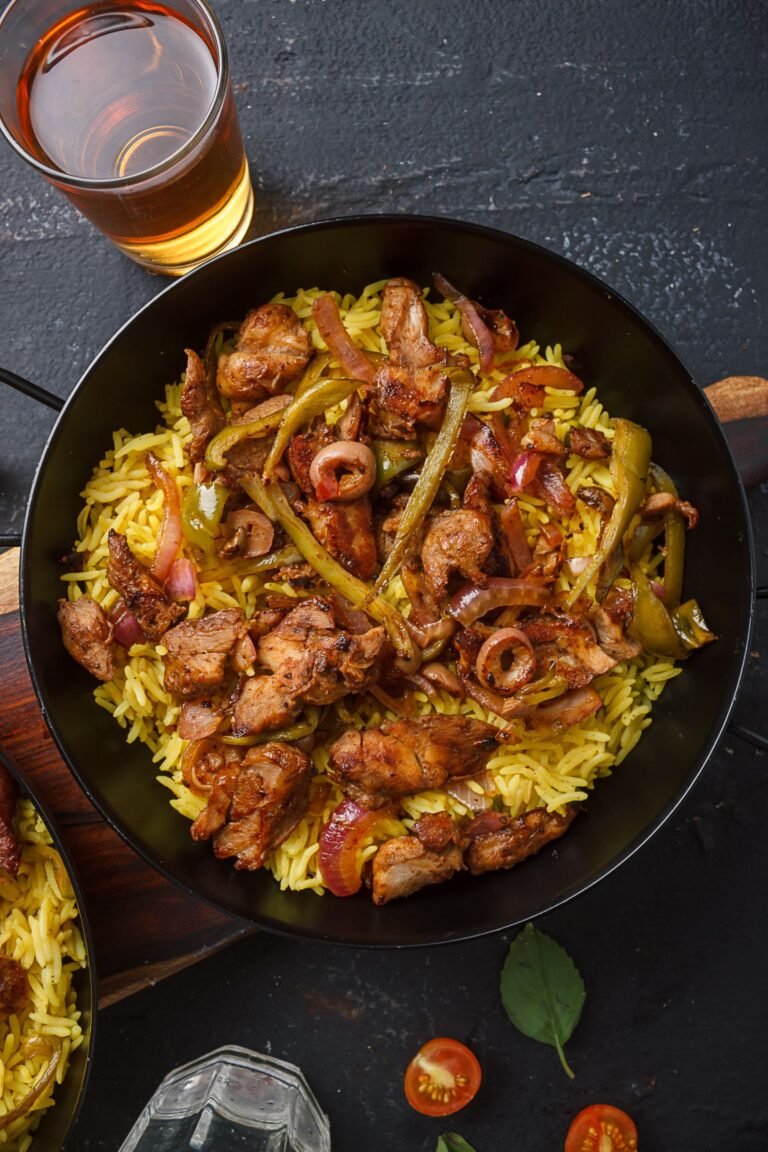
If you are building a little collection of cozy chicken dinners, this pasta sits happily alongside other one-pan favorites. On nights when rice sounds better than pasta, my family rotates in this easy one-pan chicken and rice dinner that uses a similar pantry-friendly approach, and it is just as forgiving for beginners.
What to Serve With It
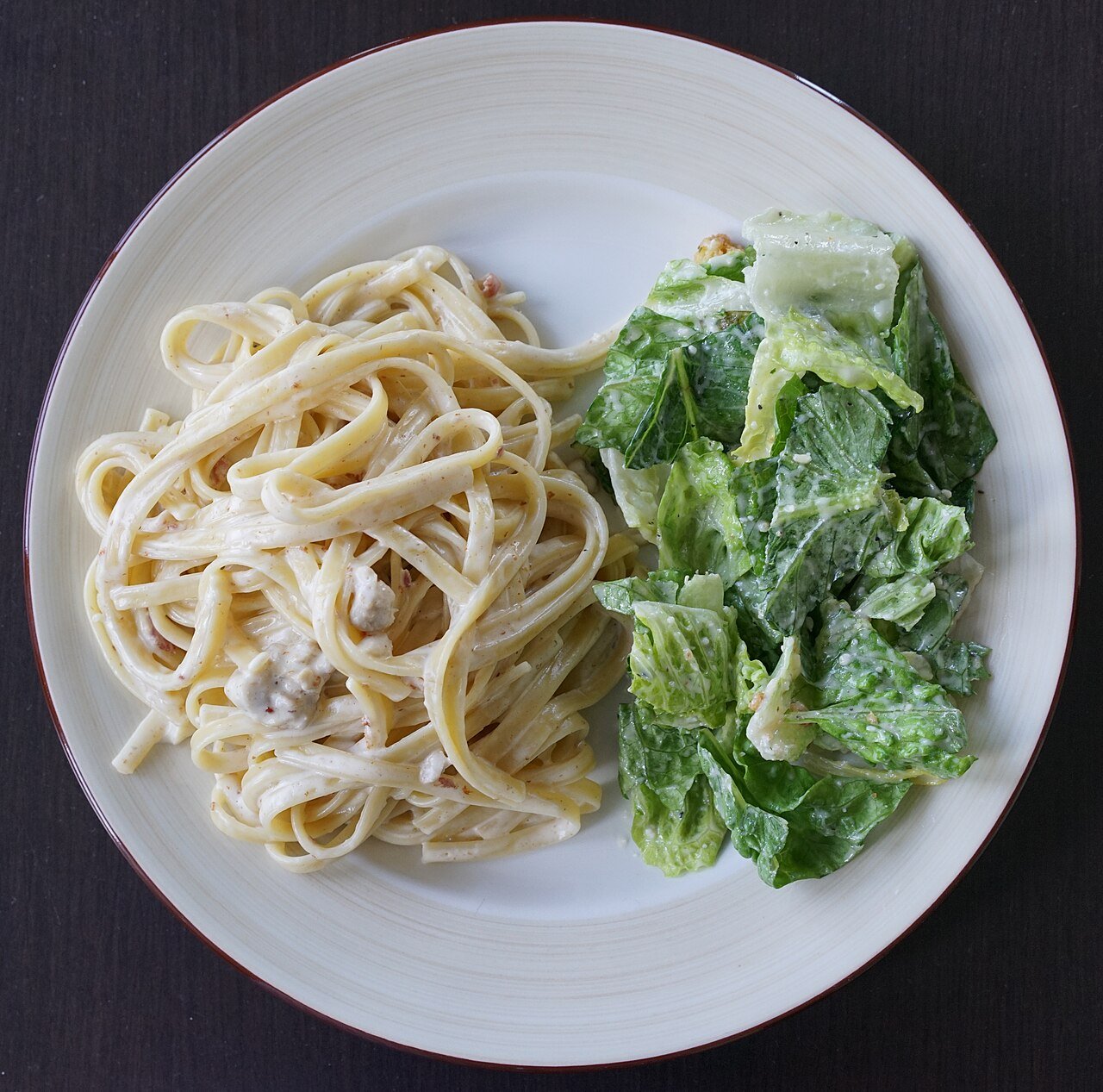
This pasta is hearty enough to be the main event, so keep the sides simple and fresh to balance the richness. A crisp green salad with a lemony vinaigrette is the classic partner — the acidity cuts through the creamy sauce in the best way. Arugula with shaved Parmesan, cucumber and tomato salad, or a simple Caesar all work beautifully.
Garlic bread or a warm baguette is never a bad idea for swiping up the last of the sauce. For vegetables, try roasted broccoli, garlicky green beans, honey-glazed carrots, or grilled zucchini. If you are serving this for guests, a starter of bruschetta or a small bowl of tomato soup makes the meal feel complete without much extra work. And if you love the all-in-one comfort of this kind of cooking, you might also enjoy a cheesy baked-style option like this one-pot cheesy chicken pasta the whole family requests for another busy weeknight.
For drinks, a chilled glass of Pinot Grigio or an unoaked Chardonnay pairs nicely with the Parmesan and garlic, and for a non-alcoholic option, sparkling water with lemon or a light iced tea keeps the palate fresh.
Storage, Freezing, and Reheating
Refrigerator: Let leftovers cool, then store them in an airtight container in the fridge for up to 3 to 4 days. The pasta will absorb sauce as it sits, so it will look thicker the next day — that is normal and easy to fix when reheating.
Reheating on the stove (best method): Place the pasta in a skillet with a splash of milk or chicken broth — about 2 to 3 tablespoons per serving — and warm it over medium-low heat, stirring gently, until hot and creamy again, about 4 to 5 minutes. The extra liquid brings the sauce back to life.
Reheating in the microwave: Put a portion in a microwave-safe bowl, add a splash of milk, cover loosely, and heat in 45-second intervals, stirring between each, until steaming hot. Stirring is what keeps the sauce smooth instead of clumping.
Freezing: Milk-based sauces can be frozen, but be honest about expectations — the texture will not be quite as silky after thawing, and the pasta softens. If you want to freeze, slightly undercook the pasta, cool the dish quickly, and freeze in portion-size containers for up to 2 months. Thaw overnight in the fridge and reheat gently on the stove with extra milk, whisking as it warms. For meal prep, a smarter approach is to freeze the sauce and chicken alone (without pasta) for up to 3 months, then boil fresh pasta the day you serve it. That gives you nearly fresh results with most of the work already done.
Food safety note: Refrigerate leftovers within 2 hours of cooking, and reheat until steaming hot throughout, ideally to 165°F (74°C).
Nutrition Information
The following figures are rough home-kitchen estimates per serving, based on the recipe as written serving 4 people, using whole milk, chicken breast, and the amounts listed above. Actual values will vary depending on the brands you use, how much cheese you add at the table, and portion sizes. They are provided as a general guide only, not as medical or dietary advice.
- Calories: approximately 640 kcal
- Protein: approximately 46 g
- Carbohydrates: approximately 58 g
- Fat: approximately 24 g
- Saturated fat: approximately 10 g
- Fiber: approximately 3 g
- Sugar: approximately 7 g
- Sodium: approximately 780 mg
Compared with a traditional version made with 2 cups of heavy cream, this version typically saves a meaningful amount of saturated fat and calories per serving while still delivering plenty of protein and a sauce that tastes genuinely creamy. Using chicken thighs, low-fat milk, or extra vegetables will shift these numbers up or down.
Frequently Asked Questions
Can I really make a creamy sauce without any cream?
Yes, absolutely. The creaminess does not actually come from cream itself — it comes from a sauce that is thick, smooth, and rich enough to coat the pasta. A flour-and-butter roux thickens milk into exactly that kind of sauce, and a little cream cheese and Parmesan add body and flavor. Most people tasting this dish would never guess the cream carton never left the store.
Why did my sauce turn out lumpy?
Lumps usually happen when the liquid is added too quickly or the whisking pauses during the first minute. Add the broth and milk gradually, whisk constantly, and keep the heat at medium rather than high. If lumps appear, whisk vigorously while the sauce simmers and most will melt away. Next time, warming the milk slightly before adding it also helps.
Can I use low-fat or skim milk?
You can, but the sauce will be thinner and less rich. If you use 2% or skim milk, keep the cream cheese in the recipe and consider adding an extra tablespoon of it, and be extra careful not to boil the sauce hard, since lower-fat milk sauces are more prone to separating. Whole milk is strongly recommended for the best result.
How do I keep the sauce from splitting?
Gentle heat is the answer. Once the cheese goes in, keep the burner on low and avoid a rolling boil. Also add the Parmesan off the heat or on very low heat, a little at a time. If the sauce ever looks like it is starting to separate, take it off the heat and whisk in a splash of warm pasta water — it often comes right back together.
Can I make this ahead of time?
You can prep the components ahead: cut and season the chicken, mince the garlic, and grate the cheese up to a day in advance and store them covered in the fridge. The finished dish is best served fresh, but leftovers reheat well with a splash of milk. If you are cooking for guests, make the sauce and chicken, cook the pasta at the last minute, and combine just before serving.
What is the best pasta shape for this recipe?
Short, sturdy shapes with ridges or hollows are ideal because they catch and hold the sauce. Penne, rigatoni, fusilli, rotini, and cavatappi are all excellent. Long pasta like fettuccine works too and feels a bit more elegant, but short shapes are easier to toss evenly in the skillet and easier for kids to eat.
Can I add vegetables to this pasta?
Definitely, and it is a great way to stretch the meal. Spinach, peas, broccoli, mushrooms, bell peppers, zucchini, and sun-dried tomatoes all fit naturally. Add quick-cooking vegetables like spinach and peas at the very end, and sauté heartier ones like mushrooms and peppers earlier so they have time to soften and brown.
How do I know the chicken is cooked safely?
The safest way is an instant-read thermometer: chicken is done at 165°F (74°C) in the thickest part. Without a thermometer, cut into the largest piece — the meat should be completely white and opaque with clear juices and no pink. Because the pieces here are small, 6 to 8 minutes total in a hot pan is typically enough.
Can I use rotisserie chicken instead?
Yes, it is a great shortcut for busy nights. You will need about 3 cups of shredded or chopped rotisserie chicken. Skip the searing step, make the sauce as written, and stir the chicken in with the pasta just long enough to warm it through, 2 to 3 minutes. You will lose a little of the golden, seasoned crust, but you will gain a lot of time.
Is there a way to make the sauce thicker or thinner?
For a thicker sauce, simmer it a minute or two longer before adding the pasta, or stir in an extra ounce of cream cheese. For a thinner, looser sauce, whisk in reserved pasta water or a splash of milk a tablespoon at a time until it flows the way you like. Remember the sauce thickens as it stands, so aim for slightly looser than your ideal at serving time.
Final Thoughts
Creamy chicken pasta without cream is proof that a lighter ingredient list does not have to mean a lighter experience. With a simple roux, good cheese, well-seasoned chicken, and that little trick of saving your pasta water, you get a sauce that is silky, clingy, and deeply comforting — the kind of dinner that makes an ordinary Tuesday feel a bit special. It is forgiving for beginners, flexible for experienced cooks, and built from ingredients you probably already have.
Make it once as written so you can taste how well the base works, then make it your own: swap the vegetables with the seasons, try a new cheese, add a little heat. Keep a bag of penne and a block of Parmesan in your kitchen and you are never far from this meal. If you try it, I hope it earns the same reaction it gets in my house — empty bowls, someone asking for seconds, and a request to put it on next week’s menu too. Happy cooking.
One Comment